
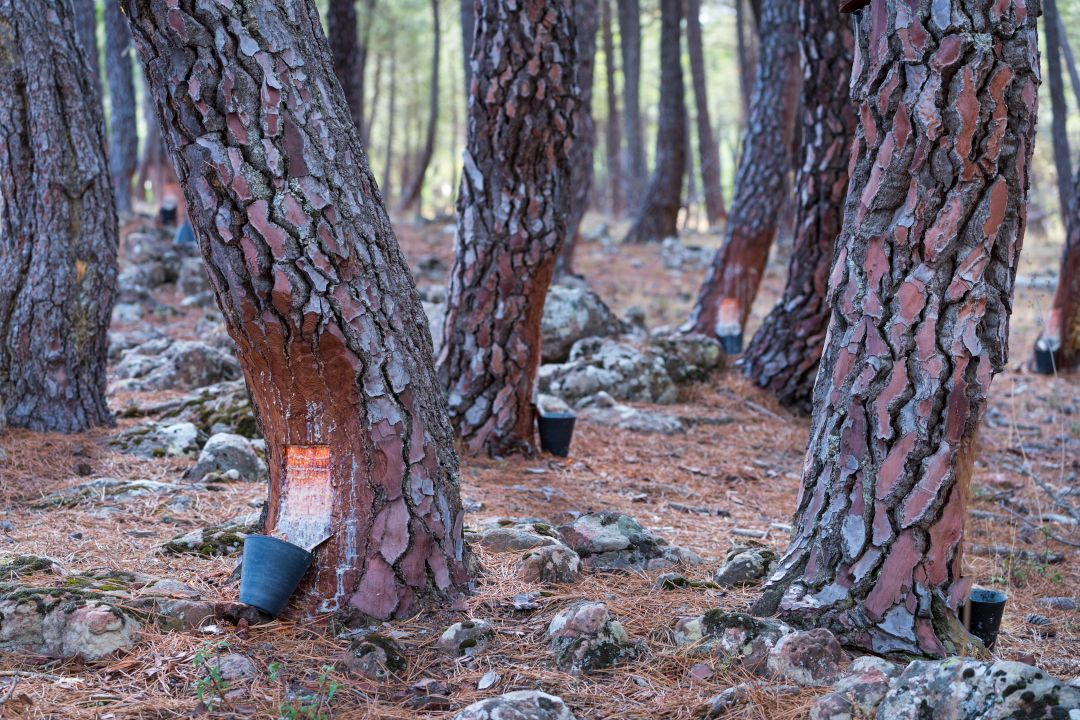
The Serranía de Cuenca, a territory of impressive natural beauty, houses among its pine forests the history of a hard work but also fascinating: that of the resinersFor centuries, these men and women have extracted resin from pine trees, an ancient craft that has shaped the economy, culture and landscape of the mountain ranges.
Today, in a context of growing environmental awareness and the search for authentic experiences, resin extraction is resurfacing with force, raising an interesting debate about its future and its tourism potential.
This article invites you on a journey through time to discover the past of resin extraction, understand its present and imagine a future where tradition meets sustainability and experiential tourism. Will you join us to discover the aroma of pine and the history of a trade that could play a key role in the development of the Serranía de Cuenca?
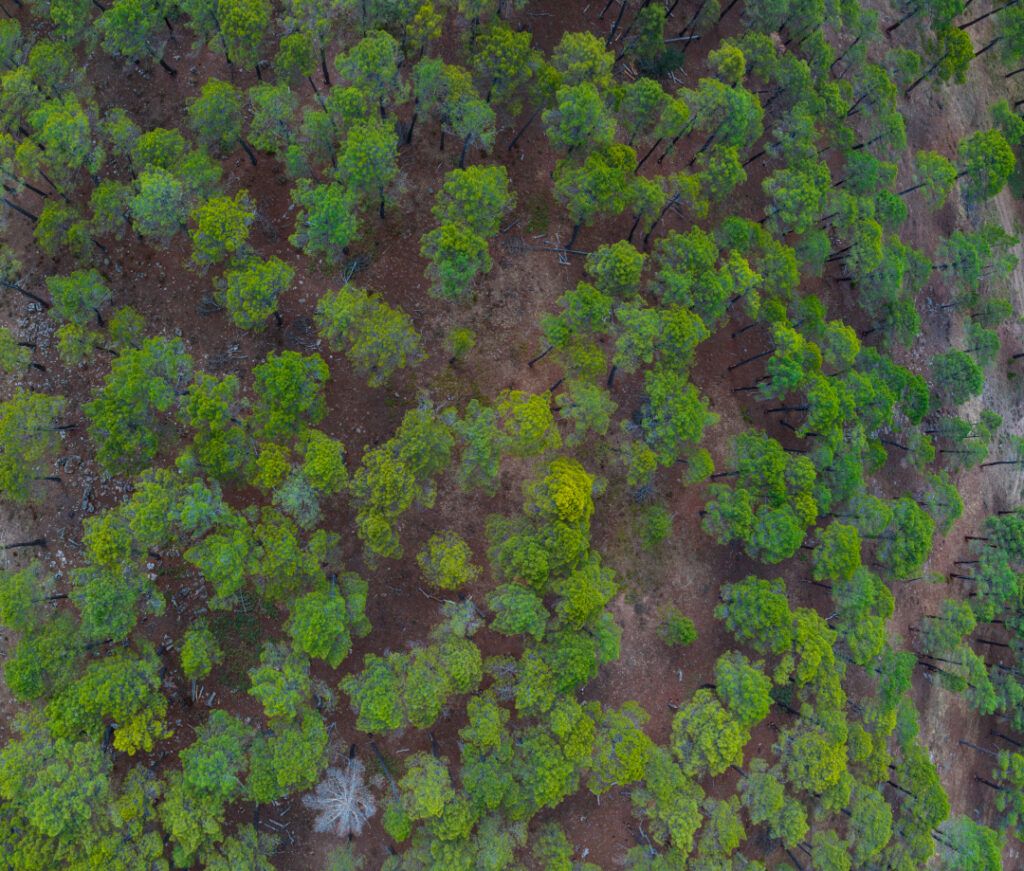
A trip to the past: traditional resin extraction in the Serranía de Cuenca
Resin extraction in the Serranía de Cuenca has deep roots, dating back centuries. Already in the In the 19th century, resin was a resource of great economic value., used in the manufacture of varnishes, waterproofing, pitch for caulking boats and other essential products. Resin production generated employment and wealth in rural communities, being a fundamental part of their way of life.
The resin worker's job was hard and demanding. With tools like the adze, the mocheta and the scraper, the resin collectors worked tirelessly in the forest, making the pikes in the pines and collecting the resin. This work required great skill and knowledge of the forest, which was passed down from generation to generation.
But not only the resin collectors worked in the forest, families also participated in the activity, contributing to the collection, loading and transportation of the resin.
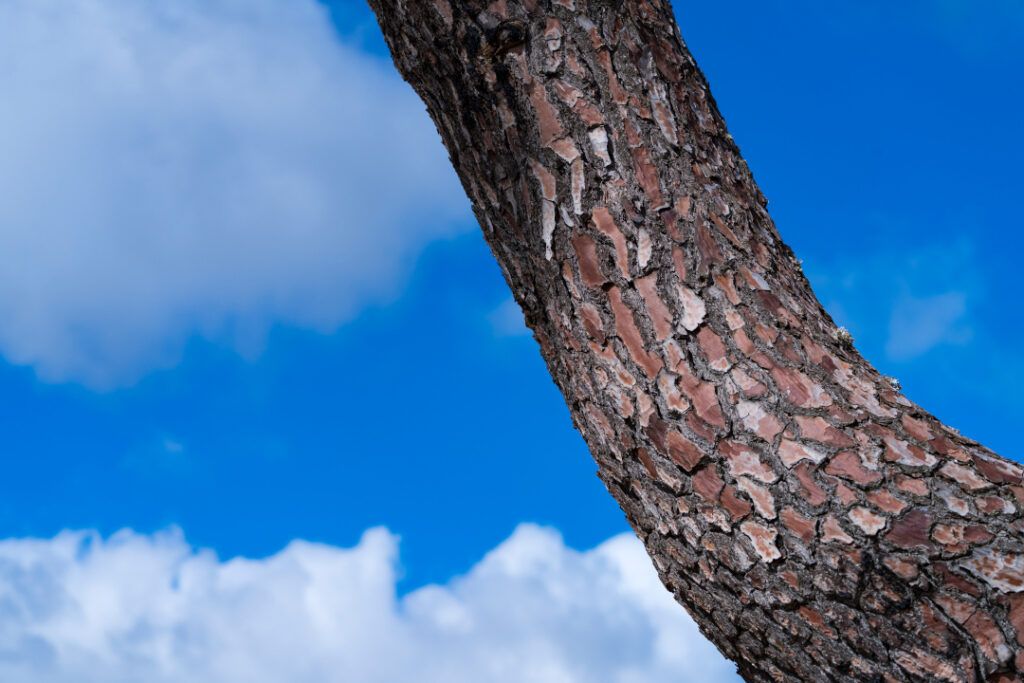
The present: resurgence of resin extraction and its ecological value
After a period of decline in the mid-20th century, resin extraction has experienced a resurgence in recent years, driven by greater environmental awareness and the search for sustainable alternatives.
New techniques are being implemented resin extraction, less invasive for trees and more efficient, which allow resin to be obtained sustainably without damaging the forest. Also formations have been created in recent years in order to promote a small "school of resin collectors" and attract potential interested parties to develop this work.
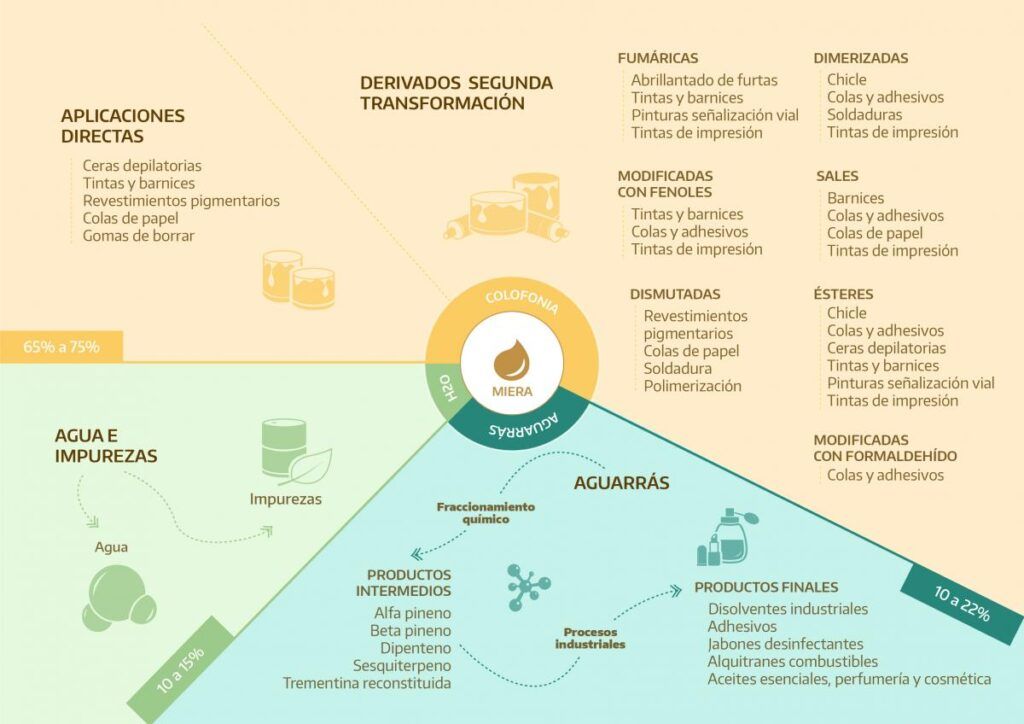
In addition to its economic value, resin extraction plays an important role in sustainable forest management. Resin extraction contributes to the prevention of forest fires, by reducing the amount of combustible material in the forest. Also, promotes the conservation of forest ecosystems and biodiversityThe resin obtained is used in various industries, from chemicals and cosmetics to the manufacture of natural and ecological products.
A promising future?: the tourism potential of resin extraction
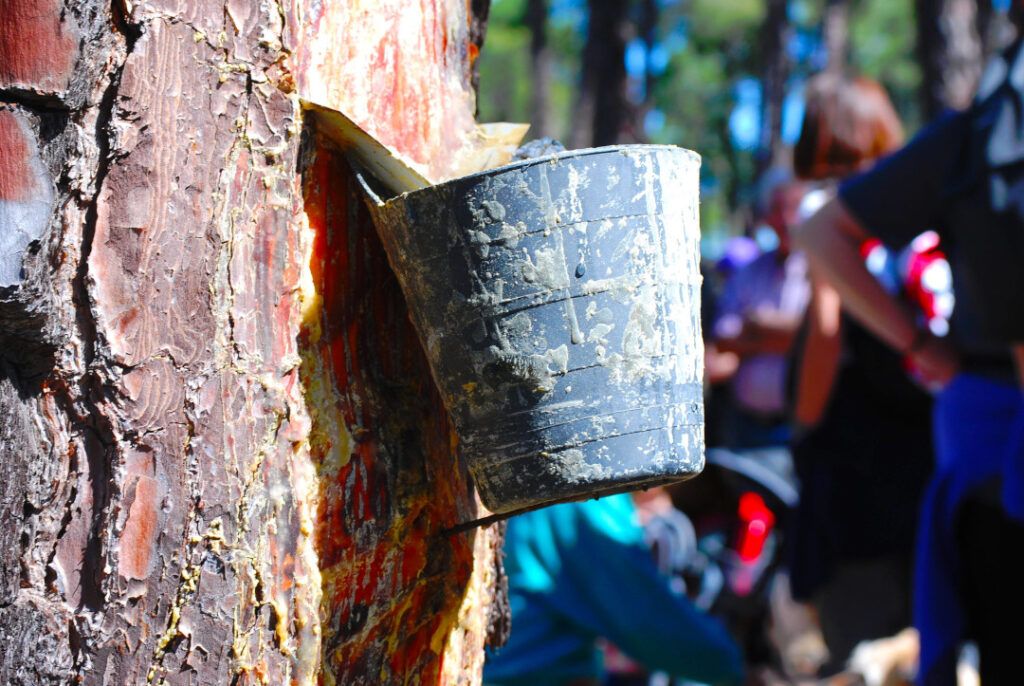
Resin extraction offers great potential for the development of rural tourism and ecotourism in the Serranía de Cuenca. Integrating resin extraction into sustainable tourism routes and activities would allow visitors get to know this traditional trade up close, learn about the value of the forest and enjoy a unique natural environment.
Experiential tourism presents itself as a key opportunity. Offer resin workshops, demonstrations of the trade, visits to resin farms or thematic routes This would allow tourists to live an authentic and enriching experience. This would generate economic benefits for local communities, creating employment and boosting the rural economy. In this way, we will be connecting visitors with local culture and natural heritage.
The future of resin extraction is in our hands
Resin extraction is much more than a trade; it is part of the cultural and natural heritage of the Cuenca MountainsPreserving this tradition and promoting its sustainable development is essential for the future of our territory.
Supporting initiatives that promote resin extraction, both from an economic and tourism perspective, is an investment in the future. By doing so, we will be contributing to forest conservation, rural development and the enhancement of a historical legacy that deserves to be known and appreciated. The future of resin extraction is in our hands.