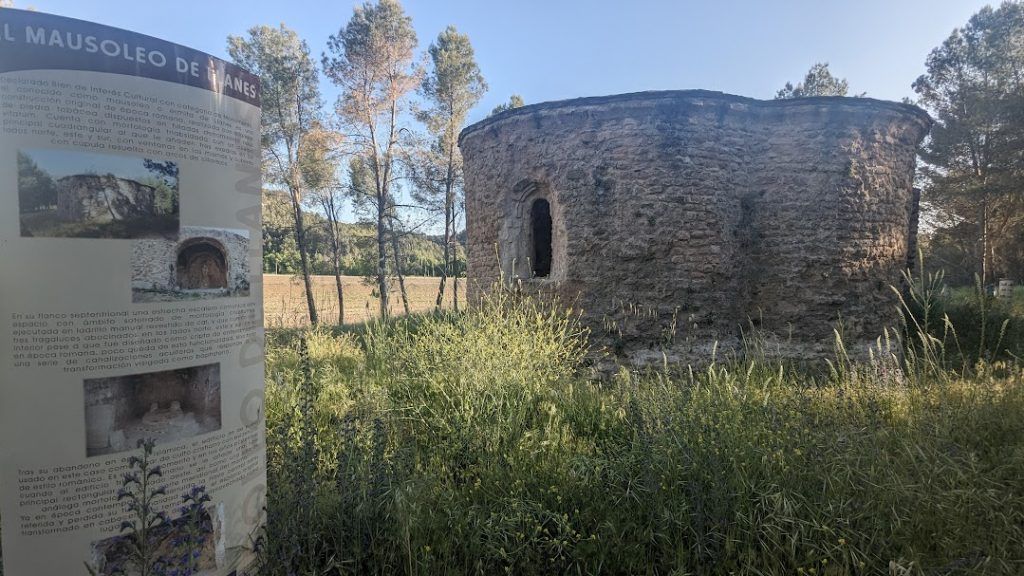
The Serrano Heritage is full of the footprints of all the settlers who set foot on these lands before us. Whether they are extinct animals or our counterparts from times past, they have all left us clues to follow, to decipher the story of these mountains and forests.
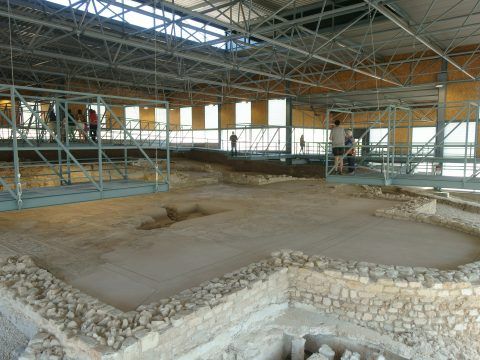
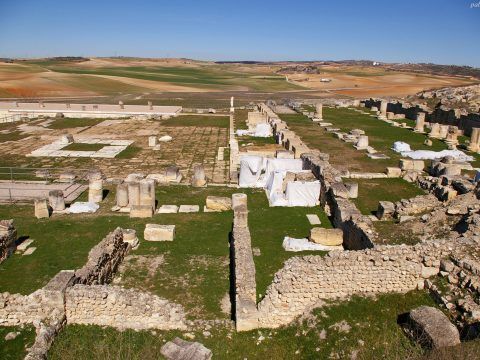
THE BEGINNING: BETWEEN CELTS AND ROMANS
Exploring the Serranía de Cuenca is embarking on a journey of discovery, an experience that feels intimate and profound. Here, Celtic and Roman people left part of their daily lives, and there are many remains that bear witness to this.
MEDIEVAL PERIOD
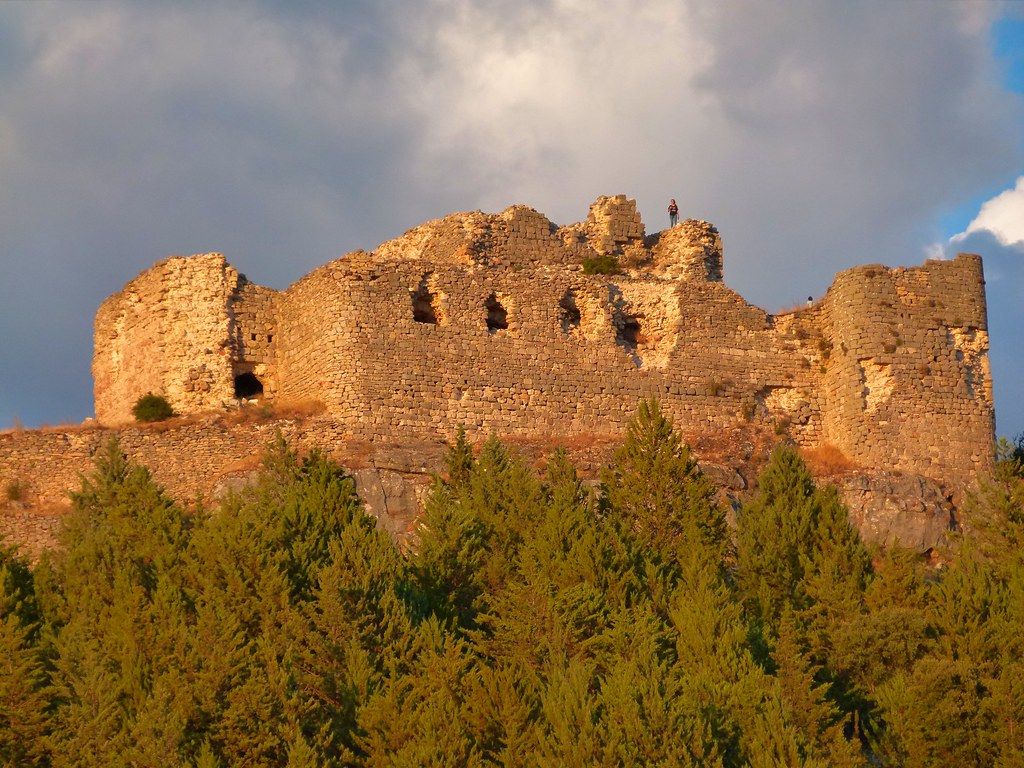
There are few remains from this period that we find today, but not none. Castles, watchtowers, bridges and towers They are preserved added to the layouts of some of our towns that had their origin before the 15th century.
An example of this is Priego with its bridge and its towers, either Beteta with its Rochafrida Castle and even the Tower of HuélamoThey are not the only ones so you are invited to discover them all.
OTHER DEPOSITS
Although you probably already know them, other types of Deposits, this time Paleontological of importance also have a place in the Serranas lands. We speak of The Hollow and The Hoyas, both of international importance and from which numerous fossilized remains of animals and plants of great scientific relevance.
IN THE TIMES OF OUR GRANDPARENTS: ETHNOGRAPHIC HERITAGE
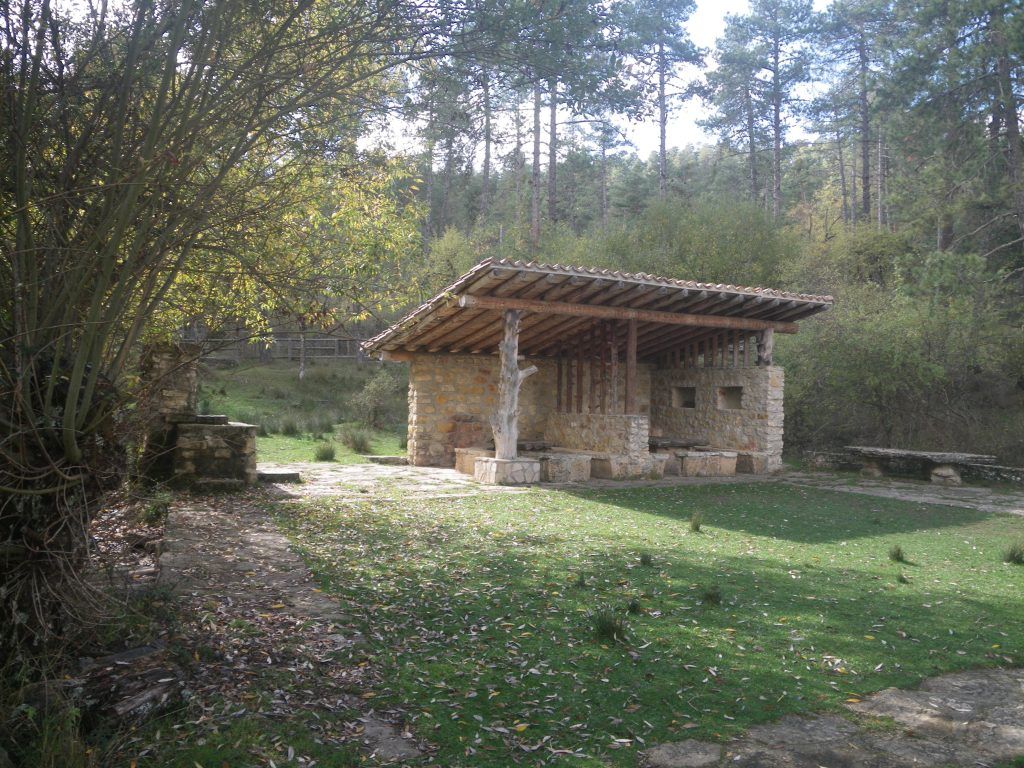
All the examples of the change in La Serranía and its inhabitants are important, but if there is a period of history that we would like to praise, it is the one that we can locate most recently, We talk about the times of our grandparents and all the ethnographic heritage that their ways of life and use of the forest have left us. Lime kilns, tile factories, resin factories, cement factories, tar ovens, fountains, laundries… . There are countless witnesses to those years, although the abandonment of rural areas and the advance of forests are causing them to be lost.
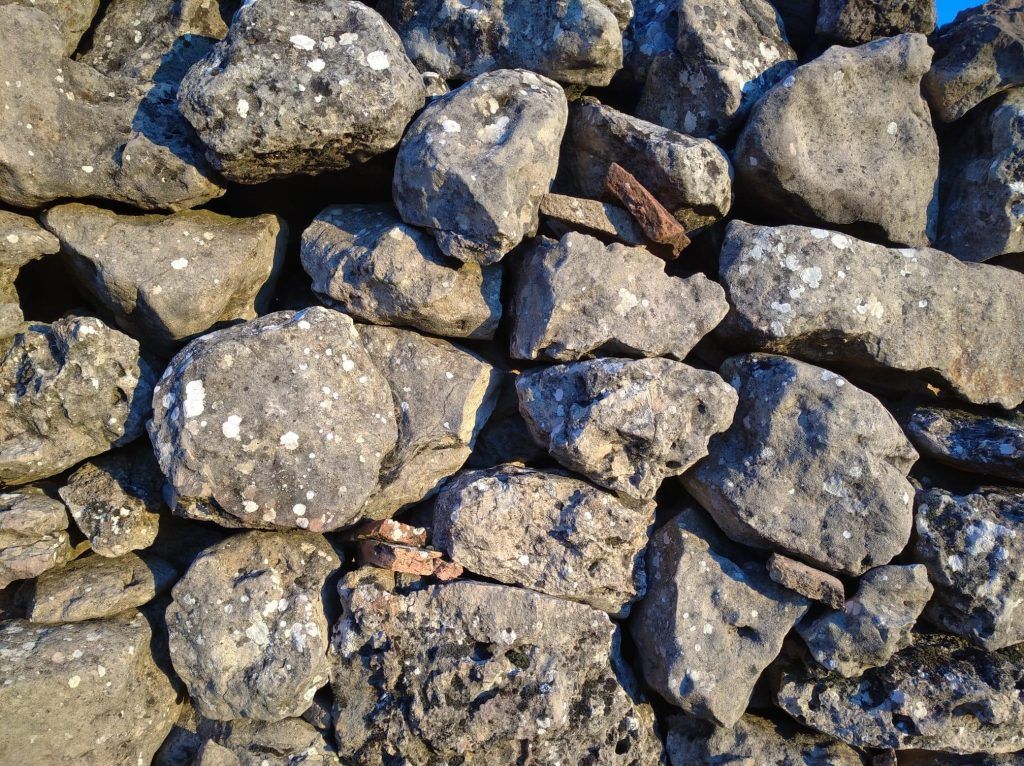
In this sense, we cannot forget the Dry stone constructions, World Heritage in some areas of our country, and hopefully very soon in our community. A construction technique that consisted of finding the right stone to be supported on the previous one and that by its own weight they remained united, without the need for any type of mortar in the joints. Shepherds' huts, walls between plots, corrals for livestock…we can still see countless witnesses.
ETHNOGRAPHIC HERITAGE ROUTES
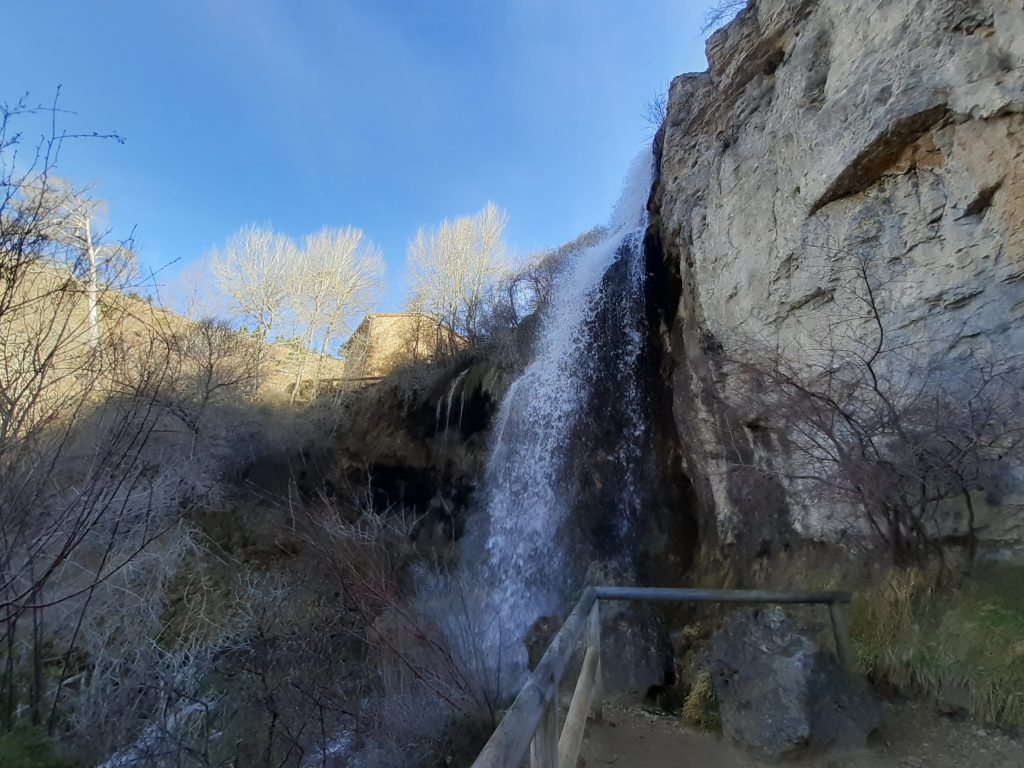
- Molino de la Chorrera Waterfall
- The Birth of Escabas
- The Valdemoro Raft
- The Trabaque River
- Kill us
- Somera Sickle
RELIGIOUS HERITAGE
Finally, we must also highlight the rich religious heritage present. From the capital of Cuenca, passing through each and every one of its villages, churches, hermitages and mausoleums such as that of Llanes Albendea, complete an extensive catalog where we can contemplate the remains and customs of our ancestors.