
In the heart of the Serranía de Cuenca, among the pines, oaks, junipers and savins, a laborious tapestry was woven that marked the history of the region. Over the centuries, Traditional crafts left their mark on the forests and fields, contributing to the splendor of mountain life.
Traditional Crafts in the Cuenca Mountains: A Journey to the Past
The Serranía de Cuenca landscapes hold the stories of those who used these forests as producers of the raw materials that allowed them to survive. Far from that past, only the remains of what once represented the industrial sector of the province from Cuenca.
Textile Industry and its Traces
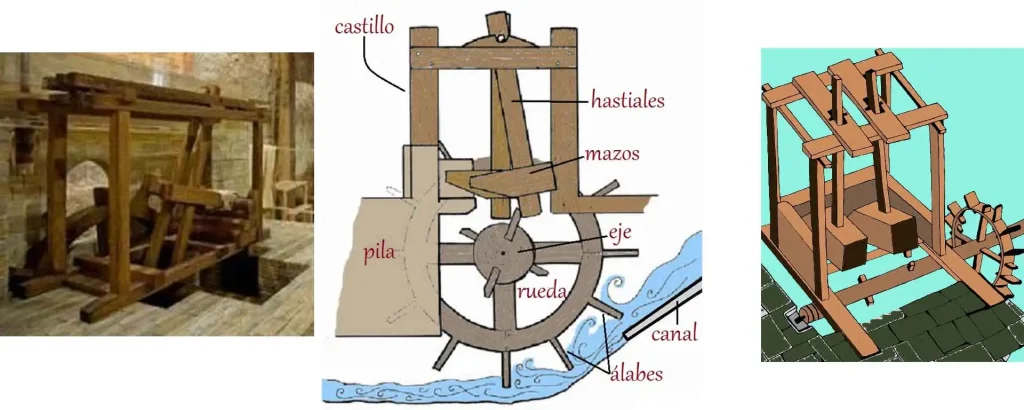
Among the shadows of the forests, wool unleashed a textile industry that embroidered emblematic cloths and fabrics. Wash houses, fulling mills and riverside draft mills enriched the banks of the Júcar and the Huécar. Witnesses to past splendour, these places were gravediggers and mourners of the textile industry.
Loggers and Lumberjacks
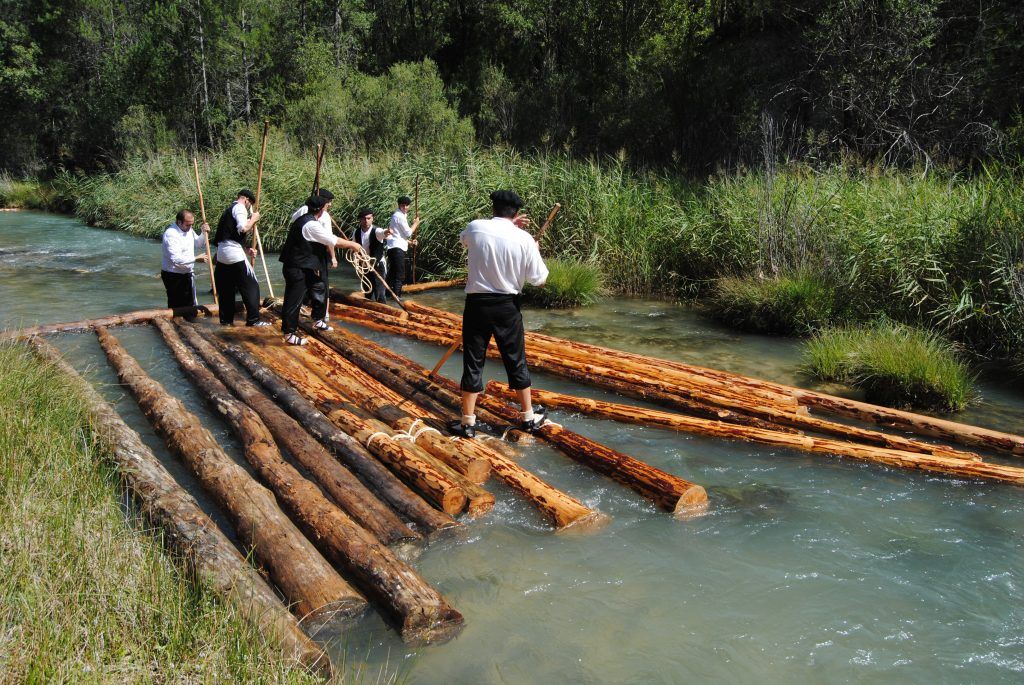
The loggers, humble day laborers, guided the logs along the rivers, transporting logs from the high mountains to processing points. The importance of this timber industry reached its peak in the 16th and 18th centuries, even building monuments such as the El Escorial monastery.
The resin
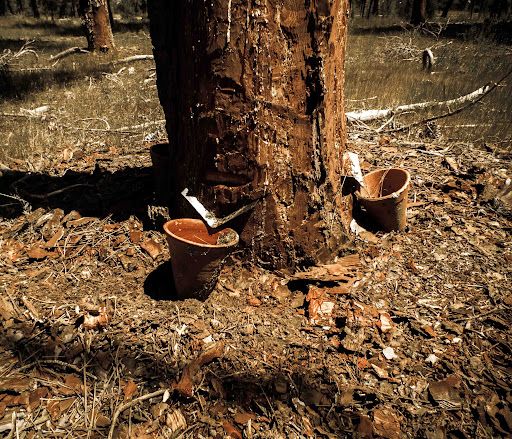
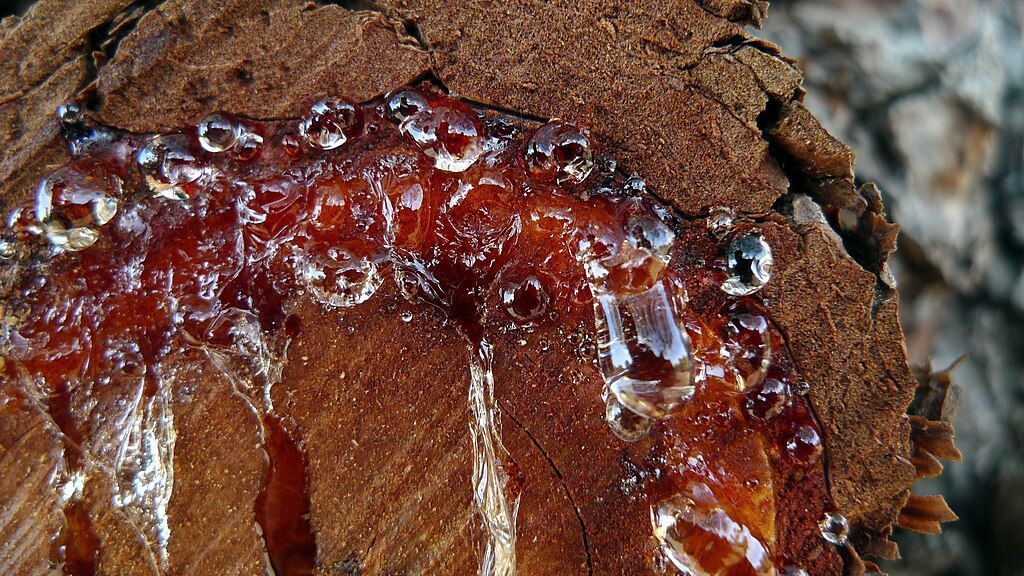
Resin extraction, an ancestral practice rooted in the Serranía de Cuenca, has been an essential task for generations. This trade consists of extracting resin from resin-producing trees, a valuable contribution to the local economy and to the maintenance of forests.
The resin collectors, with their tools and knowledge passed down from generation to generation, have left a lasting mark on the mountain forests, where resin extraction was not only a source of livelihood, but also a profound expression of the relationship between the community and natural wealth that surrounds them, and which is still developing today.
Jobs related to agriculture
Specialized day laborers, now in danger of disappearing, played key roles in mountain agriculture. Harvesters, almond pickers, caper pickers, sheep shearers and pig slaughterers, all contributed to the agricultural practices of the territory.
Pegueros and the Extraction of Fish
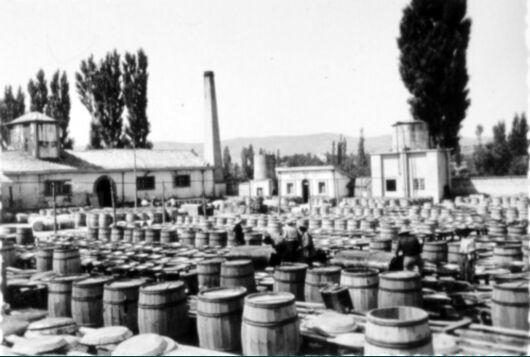
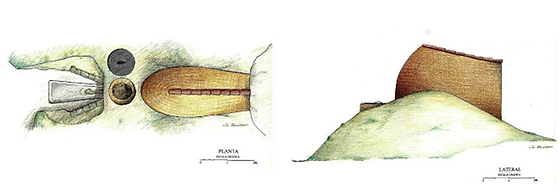
Sixty years ago, lThe pegueras were industrial engines powerful in the Serranía de Cuenca. The pegueros extracted pitch from the wood through a process that involved the combustion of the resinous wood. The resulting pitch was used for various purposes, from waterproofing to the production of commercial products.
La Peguera and its Industrial Importance
The pitcher, a traditional element, was an essential industrial engine. The pitchers extracted pitch from the wood through a process that involved the combustion of resinous woodThe resulting pitch was used for a variety of purposes, from waterproofing to the production of commercial products.
Forgotten Jobs of Everyday Life
From the From knife sharpener to bell ringer, from beekeeper to soap maker, many trades have disappeared. or adapted to modern times. Although some struggle to preserve these traditions, changing agricultural practices and mechanization led to the decline of these occupations.