
The Cuenca Mountains are A magical corner, where the forests seem to have no end and unfold in all their glory. In the heart of the Iberian Peninsula, this region is home to a diversity of forests, groves and pastures that dazzle those who explore it. In this article, we will delve into the plant world of the Serranía de Cuenca and discover the natural treasures it offers.
DIVERSITY CLIMATES AND FORESTS
He prevailing climate in the Serrania de Cuenca is the continental mediterranean, characterized by dry summers and thermal contrasts between seasons. This climate greatly affects the vegetation of the region.
Mountain Forests: The Heartbeat of the Heights
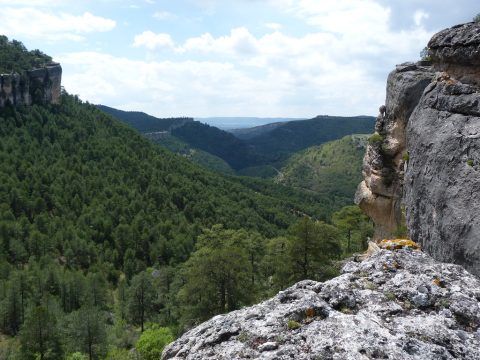
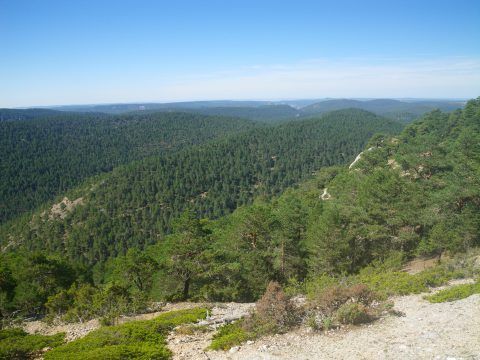
In the highest areas of the Serranía, such as Tragacete, Huélamo, Valdemeca and Zafrilla, there are the impressive forests of Scots pine (Pinus sylvestris). These majestic trees dominate the landscape, accompanied by the creeping juniper on calcareous substrates and heaths on siliceous soils. But they are not the only ones, many other plant species invite us to walk through forests as if we were entering a fairy tale, where hollies, yews, mustaches and oaks They create a dream landscape.
HIGH FORESTS
- Corner of Palacios in Zafrilla
- The Poyal of Tragacete
- El Maíllo
- The Alconera
- The Water Mountain
Forests in Transition: Beauty at Mid-Height
The black pine forests (Pinus nigra subsp. salzmannii), oak groves (Quercus faginea), sessile junipers (Juniperus thurifera) and surroundings (Pinus pinaster) paint the middle floor of the Serranía, which is located between 1200 and 1500 meters above sea level. These forests extend on deep soils, both calcareous and siliceous, and have been exploited throughout history for the quality of their wood.
REPRESENTATIVE PLACES
- Barranco del Infierno (Muela de la Madera)
- The Ensanche of Buenache
- Monte de Fuencaliente and Lagunillos
- Las Majadas Dehesa
- The Masegar of Hélamo
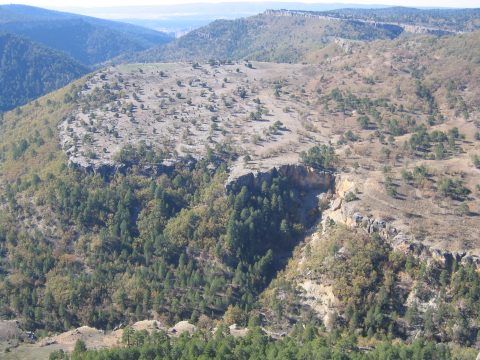
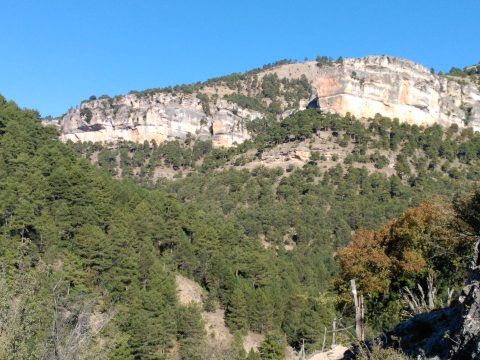
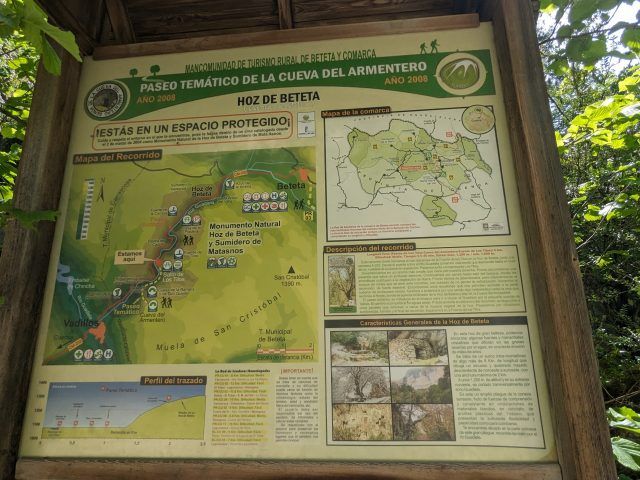
Enter an Enchanted Forest and Discover the Armentero Cave The Fuente de los Tilos – Armentero Cave Trail invites you to explore a magical forest and discover historical and natural treasures. Along 2.3 kilometers (one way), you will enter a fairytale environment…
View morePAWARDS AND MEADOWS
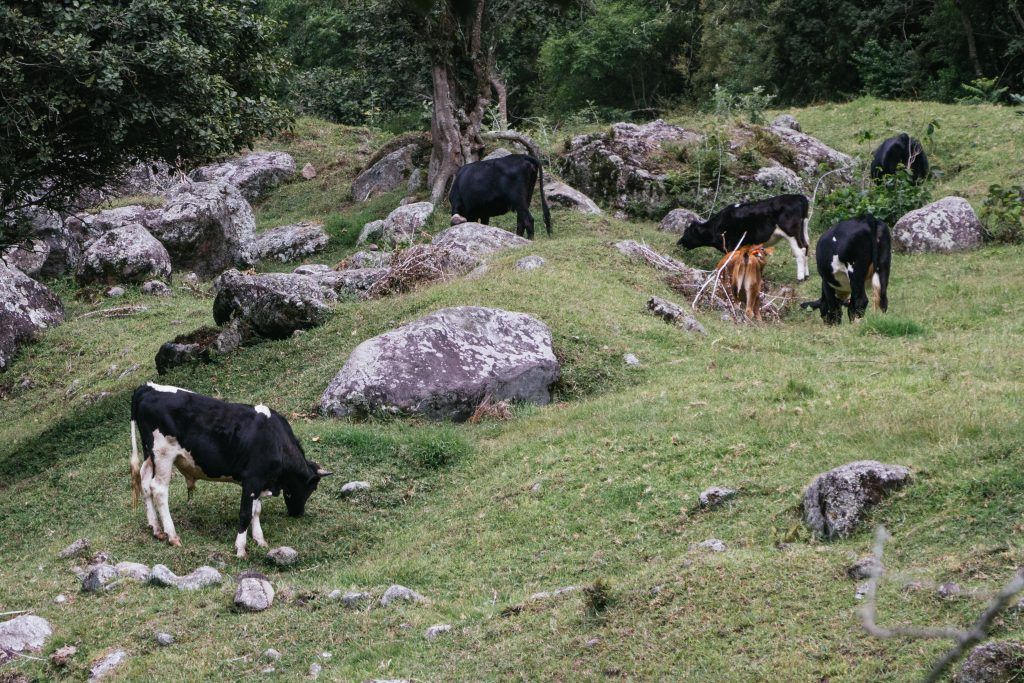
The pastures, with their open meadows and scattered trees, are a fundamental part of the rural landscape of the Serranía de Cuenca. These grazing areas They are the result of a long transhumant livestock tradition. You can find examples of pastures in the Dehesa de Las Majadas and the Masegar de Hélamo, where trees and grasslands create a pastoral setting of great beauty.
DIVERSITY IN GOLES AND RAVIONS
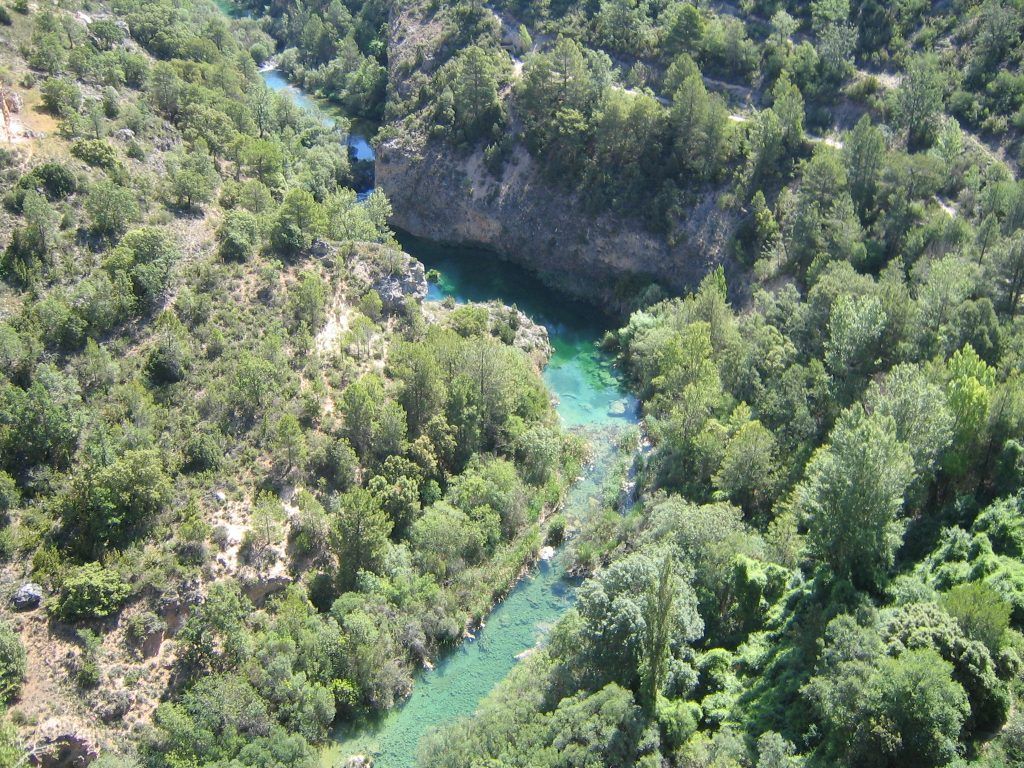
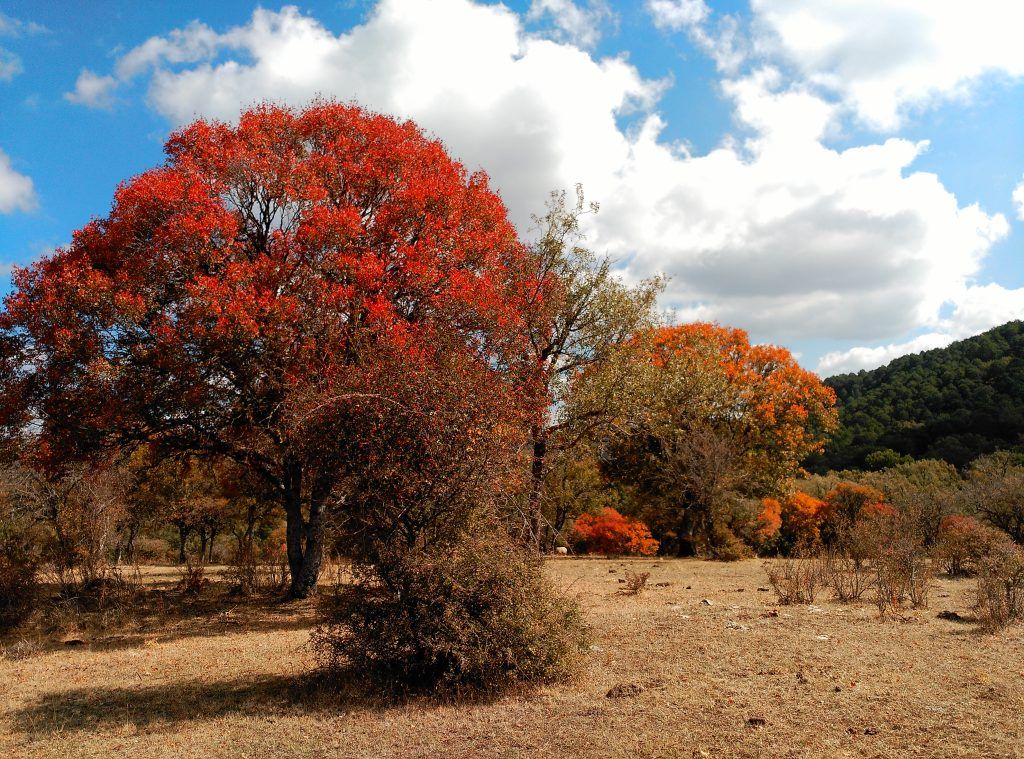
In some cannons and sickles, as occurs in the cut from Uña-Villalba de la Sierra, Belvalle or Hoz de Beteta, shelter tilares and mixed forests that thrive in humid and cool environments. These microclimates are created by the limestone walls that surround these areas. In these areas, you can marvel at the lush vegetation, including linden trees, hazelnut trees, steel trees and mustache trees, among others. During the fall, these forests are dyed with colors that seem taken from an impressionist painting, creating a unique visual experience.
From resin sessions, wild aromatics, mycology, rutting. It depends on what you are looking for and the time of year we are in, but you will surely discover the ideal activity for you and yours.