
If you want to know the soul of Cuenca, don't just look at its Hanging Houses; look into its casseroles. There are three dishes that tell the profound history of this land: a story of shepherds who endured harsh winters, of muleteers who crossed the peninsula, and of a folk wisdom that transformed humble ingredients into memorable delicacies.
These three culinary protagonists are honest, straightforward dishes with an overwhelming personality. Do you dare to discover them? Because exploring Cuenca without trying its culinary trilogy is like visiting a cathedral with your eyes closed.
Morteruelo: The Shepherd's Spoon
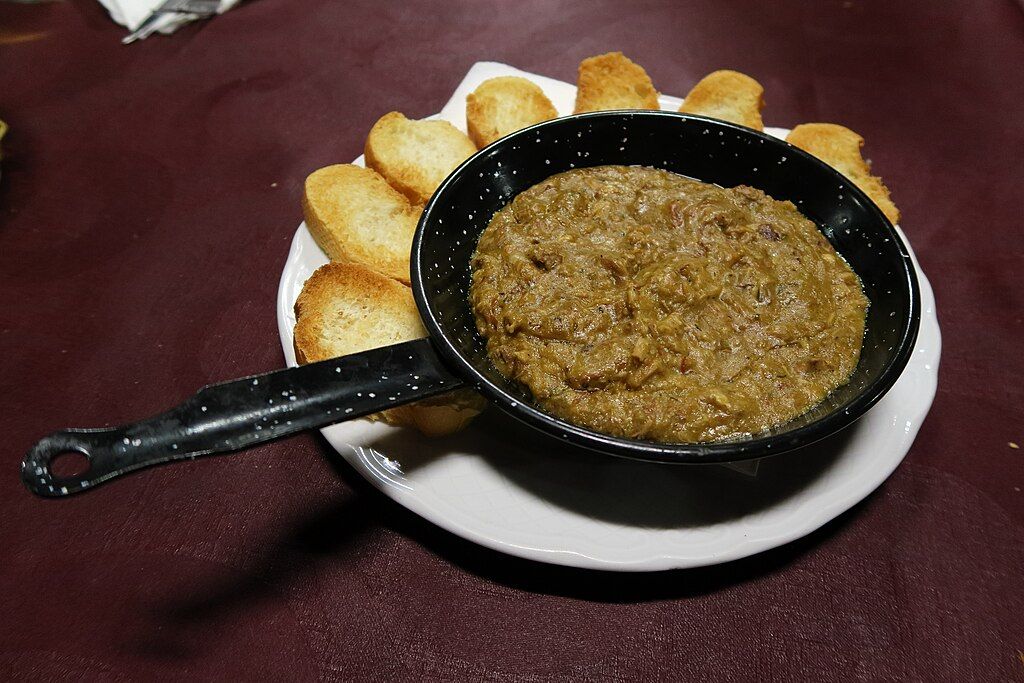
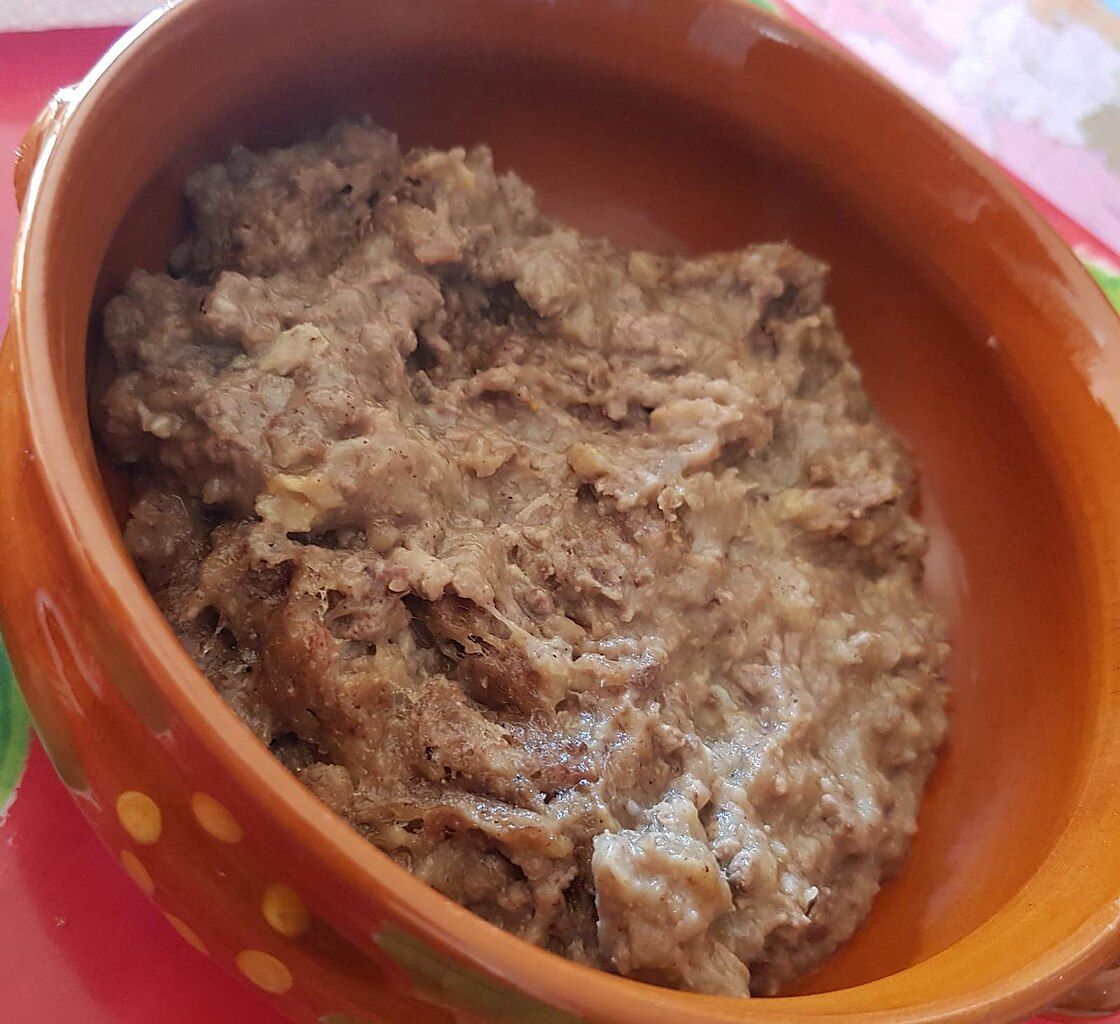
Morteruelo defies classification. It's not a pâté, though it may seem like one, nor a soup, though it's best eaten hot and with a spoon. It's something unique: a concentrate of flavors created to combat the cold of the mountains. Its base is game meat (hare, partridge) along with pork liver, all bound with stale bread and seasoned with spices like paprika and a surprising touch of cinnamon.
- The Flavor: Intense, complex, and deeply comforting. First comes the power of the game, then the creaminess of the liver, and finally a spicy aftertaste that lingers in the memory.
- The Story: It's a survival dish, devised by shepherds to make the most of their game and obtain concentrated energy during the long, freezing mountain winters.
Zarajos: The Appetizer of the Brave
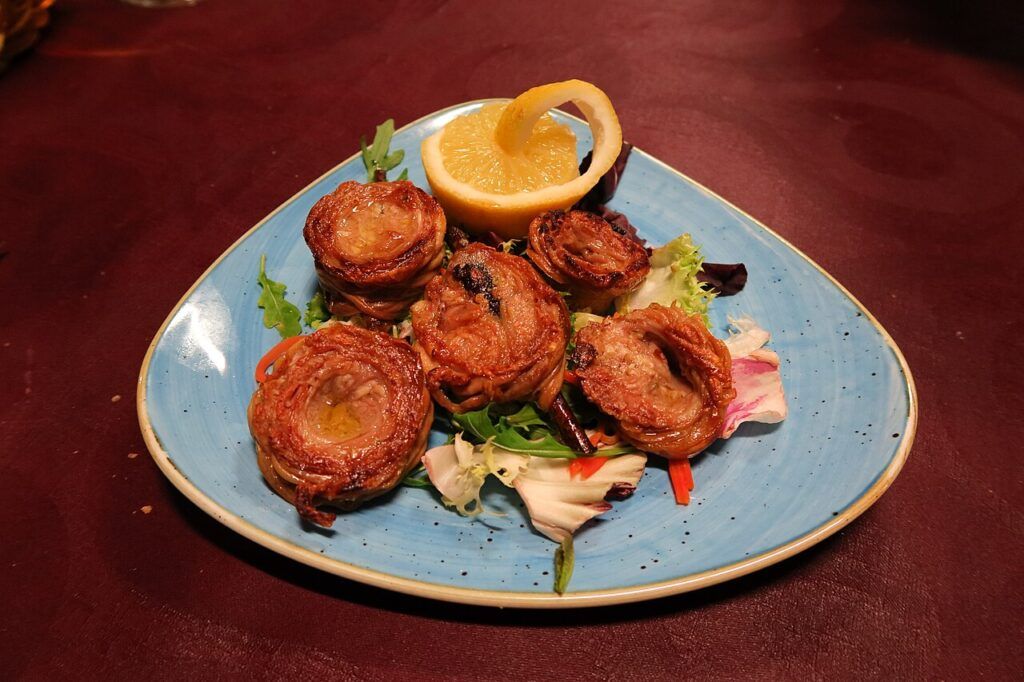
Zarajos are perhaps the most unique tapas in Cuenca. They are made with suckling lamb intestines, marinated with garlic and parsley, carefully wrapped around a vine shoot and then fried or roasted. The result is a crispy exterior that contrasts with a tender and creamy interior.
- The Flavor: Unmistakable. It has mineral notes reminiscent of suckling lamb, but in a much more concentrated form. It's the ultimate example of "recycling cuisine," that philosophy that turns every part of the animal into a delicacy.
- The Ritual: They're enjoyed as an aperitif, hot and freshly made, accompanied by a good local red wine that balances their intensity. Ordering them at a bar in the old town is a rite of passage into the local culture.
Ajoarriero: Humility Made Delicacy
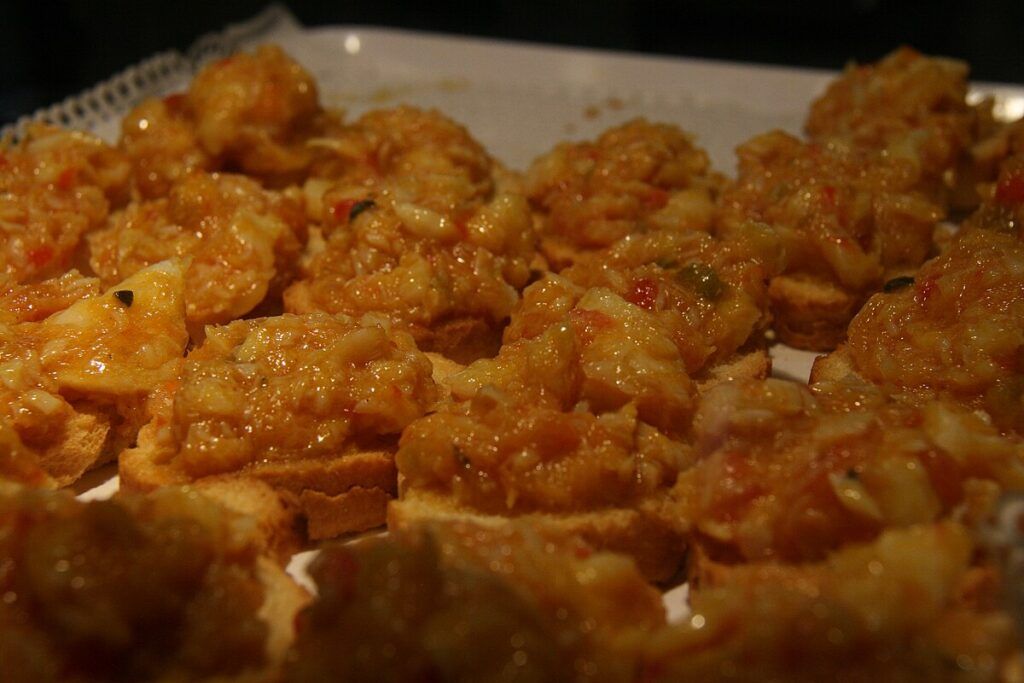
Ajoarriero, or atascaburras, tells the story of the muleteers who transported salted cod from the coast to the interior. In the kitchens of Cuenca, this traveling fish was transformed into a memorable dish. It is a creamy emulsion or puree, served at room temperature, which is made by hand-working desalted cod with boiled potatoes, garlic, egg and excellent olive oil.
- The Flavor: Deceptively simple. A perfect harmony where the saltiness of the cod is balanced by the creaminess of the potato and the intensity of the garlic. It's intense without being harsh, and perfect for spreading on toast.
- Versatility: It can be enjoyed as a tapa, stuffed with peppers, or simply eaten by the spoonful. Each family in the mountains has its own recipe, a secret that enriches the tradition.
Practical Guide: How to Enjoy Cuenca Cuisine
To make your experience complete, here are some tips:
- Where to Search: Avoid tourist menus. Look for family-run inns in Cuenca's old town and in the mountain villages. That's where recipes are passed down from generation to generation.
- The Perfect Order: Don't try to try all three dishes in one meal. Enjoy them separately: zarajos as an aperitif with a wine, the morteruelo as a main course in a hearty midday meal, and the garlic muleteer as a tapa or a lighter dinner.
- The Ideal Pairing: Accompany the morteruelo and the zarajos with a full-bodied red wine of the region. For the ajoarriero, a white wine fresh or a rosé work perfectly.
More than Food, a Legacy
These three dishes are a cultural legacy that connects the present with centuries of history, ingenuity, and survival. Trying them is an act of curiosity, a way of understanding that true gastronomy expresses the identity of a people.
The next time you visit Cuenca, don't settle for just admiring its landscapes. Peek into its casseroles, dare to try its most honest flavors, and take home the best souvenir: the indelible memory of the soul of the Serranía on your palate.