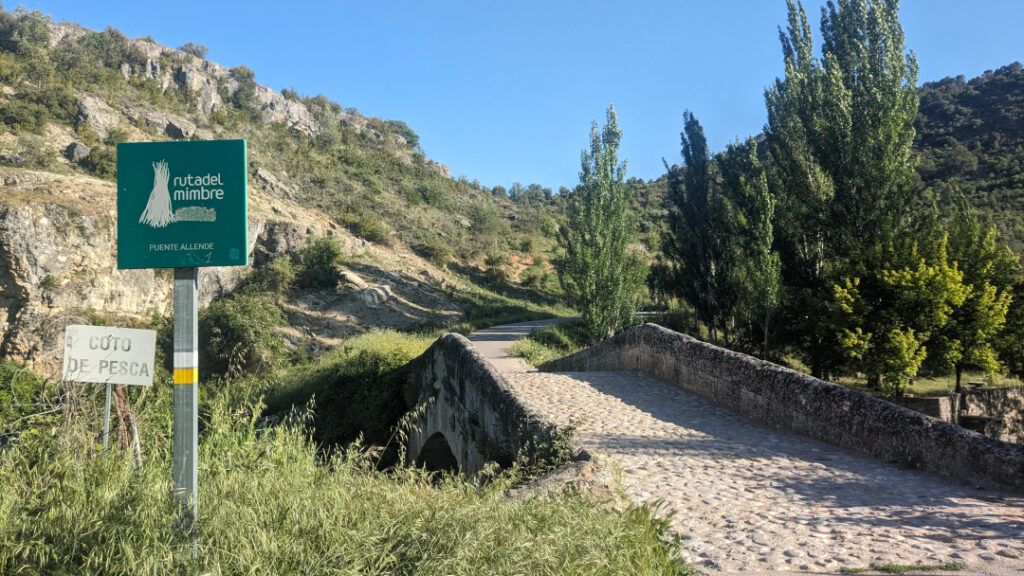
In the heart of the province of Cuenca, where the Trabaque, Escabas and Guadiela rivers meander through valleys and mountains, lies a cultural treasure that has shaped the lives of generations: the wicker. This plant fiber, as flexible as it is resistant, has not only woven baskets and furniture, but has intertwined the stories of entire peoples, creating a legacy that is celebrated today through the fascinating Wicker Route.
History and tradition
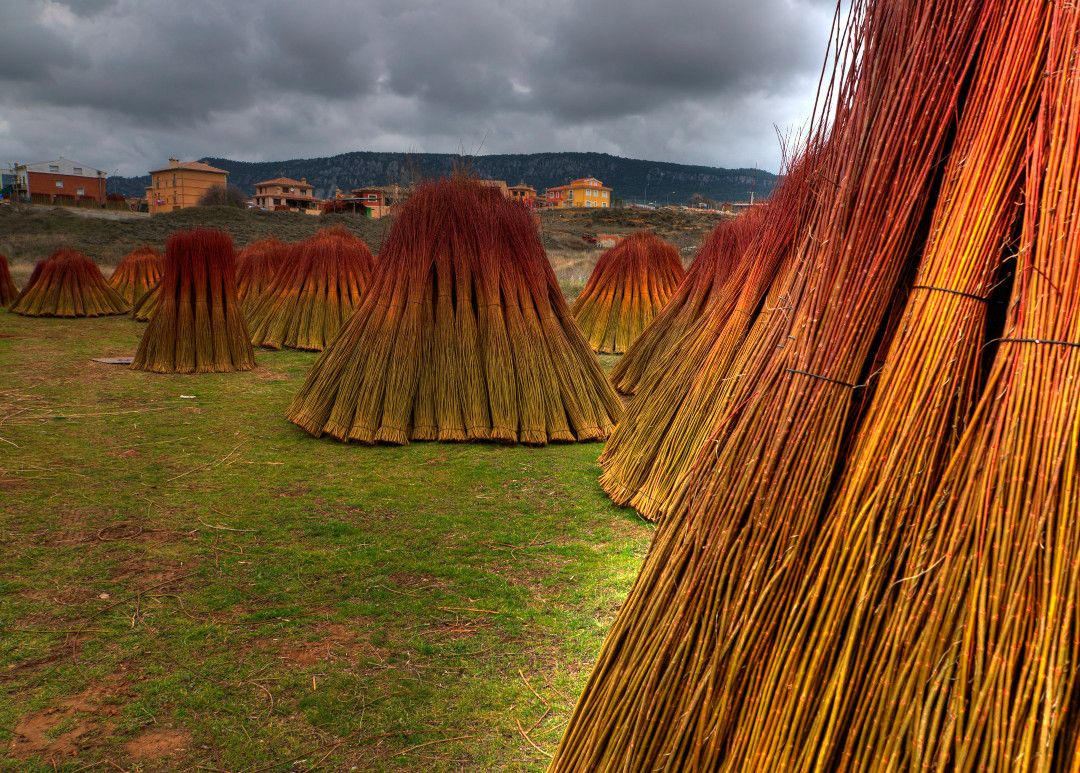
Imagine a trip back in time, back to the Iron Age, when our ancestors discovered the wonders of wicker. Since then, this plant has been a faithful companion in the daily life of the people of Cuenca. Throughout the 20th century, its cultivation flourished in the fertile plains of Alcarria and the Serranía Alta of Cuenca., dyeing the fields a vibrant red that still captivates those who visit the region today.
Artisans and their legacy
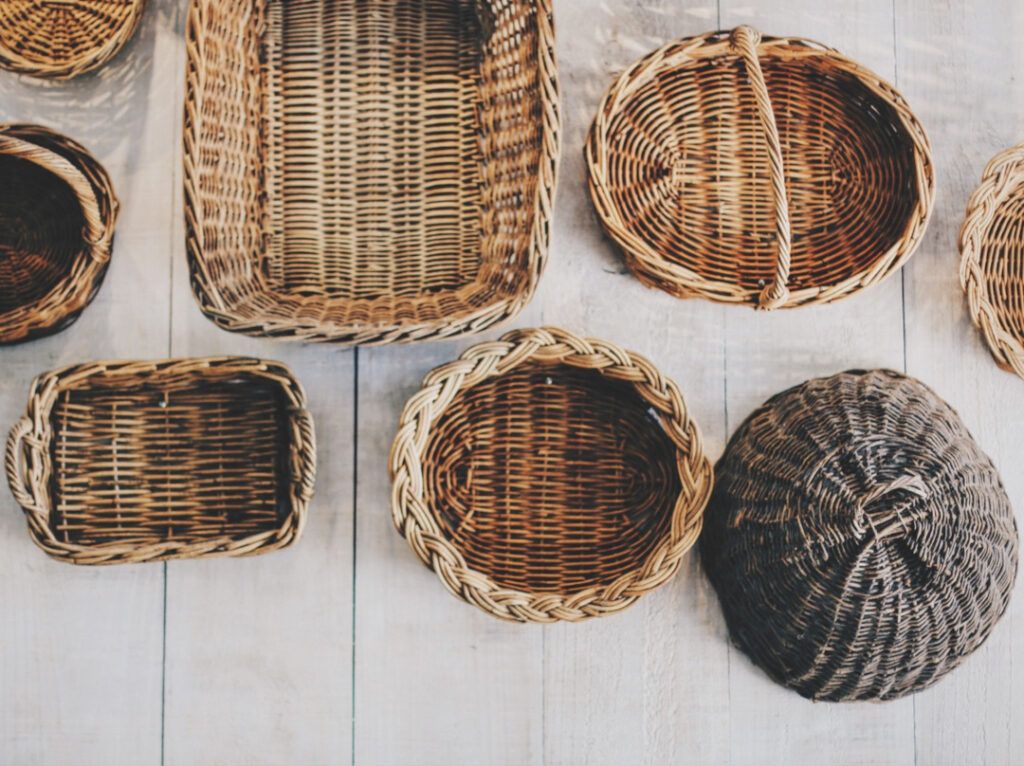
In each town along the route, From Albalate de las Nogueras to Beteta, passing through Villaconejos, Priego, Cañamares and FuertescusaWicker artisans are the guardians of ancestral knowledge. Their hands, hardened by years of work, dance skillfully among the branches, transforming them into functional works of art.
In the artisan workshops of towns like Priego, tradition is passed down from generation to generation. Entire families are dedicated to an ancestral craft, where each piece created is a living testimony to a shared history. The expert hands of artisans with decades of experience shape unique objects, full of meaning and cultural value.
«Craftsmanship, especially when passed down from parents to children, goes beyond the simple creation of objects. Each piece carries with it an emotional charge, a piece of the artisan's soul. It is a way of expressing identity and connecting with roots, perpetuating traditions and knowledge.»
Wicker, weaver of stories
The decline of wicker crafts is a latent concern. Young people, attracted by the opportunities of the big cities, rarely continue with the family trade. However, initiatives such as the Wicker Route is rekindling interest for this art, attracting enthusiasts who seek to connect with their roots and preserve this valuable tradition.
Wicker and its impact on families
Wicker was not just a means of livelihood; it was the common thread that united families and entire communities. In towns like Cañamares, generations have grown up to the rhythm of the wicker cycle. Children learned the trade through play, women often led family workshops, and men alternated between farming and crafts.
The wicker route: A sensory journey
Today, the Wicker Route offers visitors a unique experience that combines nature, culture and craftsmanshipThe route, which links six picturesque villages, invites you to immerse yourself in a red sea of wicker during the winter months, especially from December to March, when the fields reach their maximum splendor.
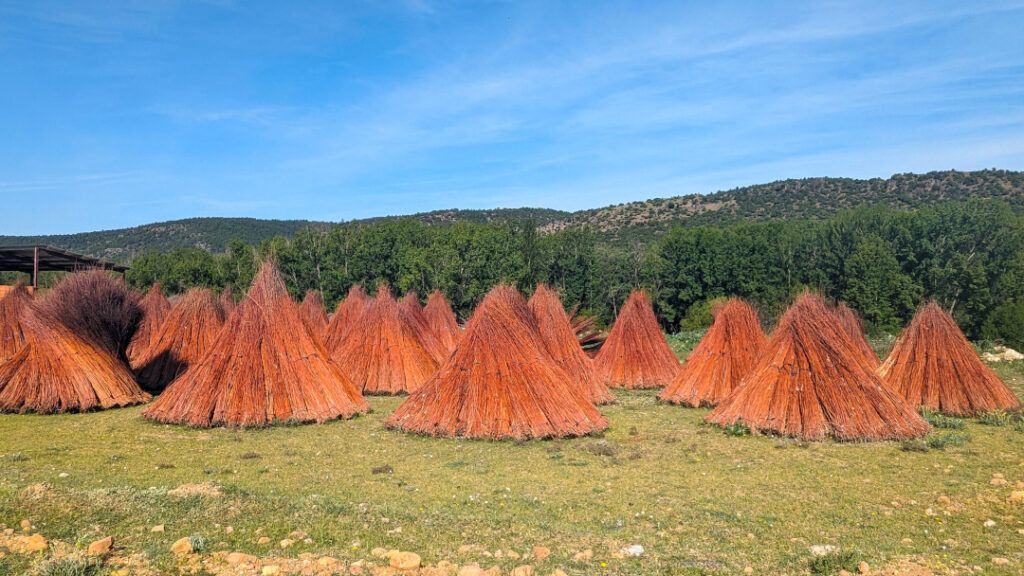
In Albalate de las Nogueras, the starting point, travelers You can visit old workshops converted into living museums. In Villaconejos, the panoramic views of the wicker fields are breathtaking. Priego surprises with its medieval architecture and its artisans working in full view of the public. Cañamares offers interactive workshops where visitors can try out their wicker skills. Fuertescusa enchants with its wild landscapes and traditional wicker “drying houses”. Finally, Beteta, with its imposing castle, provides the perfect backdrop to conclude this journey through time and tradition.
«In winter, when the fields were dormant, the whole family would gather around the fire to work with wicker. These were moments of togetherness, of telling stories and passing on knowledge. Wicker not only filled our pockets, but also our hearts.»
Tradition in every home
The photographic route: capturing the essence of wicker
For photography lovers, the Wicker Route is a paradise of opportunities. Fields dyed deep red create a spectacular contrast with the green of the pine forests and the blue of the mountain sky. At dawn and dusk, the light gilds the willow stems, creating scenes of ethereal beauty that seem straight out of a fairy tale.
Photographers can capture not only the landscapes, but also the skilled hands of the artisans, the weathered faces that tell stories without words, and the intricate details of the wickerwork. Each village offers its own unique backdrop, from medieval alleys to modern workshops, to traditional wicker drying sheds that stand like natural sculptures in the landscape.
When to visit
Although the Wicker Route is attractive all year round, The most spectacular period to visit is between December and March. This is when the wicker fields reach their maximum splendor, dyeing the landscape in reddish and orange tones. The harvest begins in January, offering visitors the opportunity to witness the cutting and the drying process of wicker.
For photographers and nature lovers, the first morning and evening hours They offer the most beautiful light, creating plays of shadows and reflections in the wicker fields that are a delight for the eye and the camera.
The Wicker Route in the Serranía de Cuenca is much more than a simple tourist tour. It is a journey through time, an immersion in a tradition that has shaped the landscape and life of an entire region. Each basket, each piece of furniture, each wicker field tells a story of resistance, creativity and community.
By visiting these six charming villages, visitors not only discover the beauty of an ancient craft, but also contribute to keeping alive a tradition that refuses to disappear. The Wicker Route is a testament to how the past and present can intertwine, creating a future where traditional crafts and sustainable tourism coexist in harmony.
This website uses cookies to improve your user experience. By clicking "Accept", you agree to the use of cookies. You can customize your cookie preferences at any time from your browser settings.