

Nature sculpts unique landscapes over millions of years, using tools such as erosion, wind and water. The Serranía de Cuenca is a clear example of this great geological work. This region, located in the center of Spain, offers an impressive variety of rock formations and landscapes that tell the geological history of our planet. Among its most outstanding treasures is the famous Enchanted city, a place where imagination and geology merge to create an unparalleled natural spectacle.
Geological formations of the Cuenca Mountains
The geological formations of the Serranía de Cuenca, including the Enchanted city, have been formed mainly by the action of karst erosion. This process occurs when rainwater, slightly acidic due to dissolved carbon dioxide, penetrates the cracks in the limestone rock. Over time, this water slowly dissolves the rock, widening the fissures and creating cavities and whimsical formations. This phenomenon is responsible for the surprising landscapes we see today in this region.
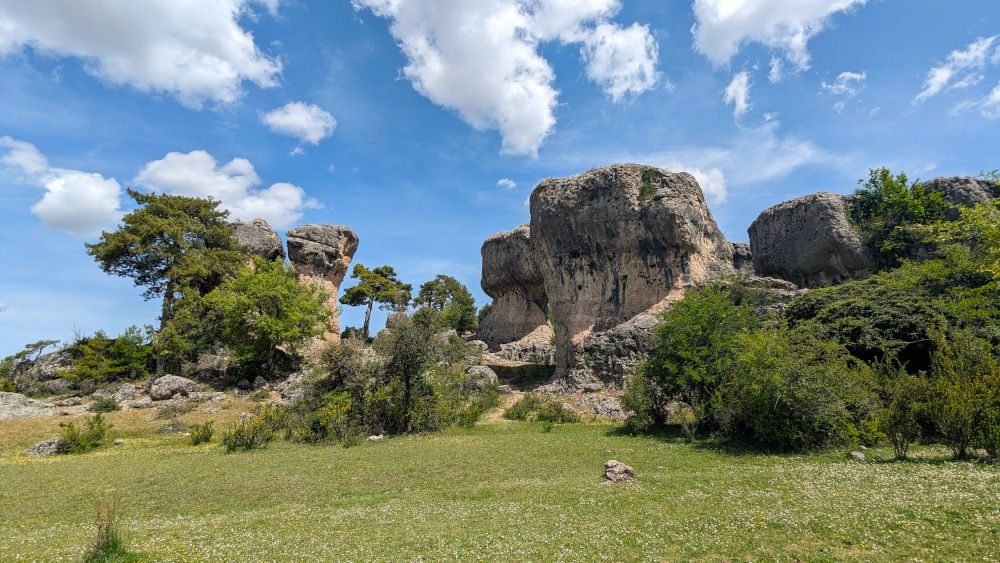
Another of the most fascinating points of the Serranía de Cuenca is the place of The alleys of the Majadas. This place, less known than the Enchanted City, offers a set of equally impressive rock formationsA wide variety of shapes and figures molded by karst erosion recreate an authentic natural labyrinth, offering a more intimate and personal experience compared to the Enchanted City. These corners still show the visitor a not-so-distant past where transhumant shepherds kept their cattle. and small shelters were made under the shelter of the rock, with the help of dry stone walls to withstand the elements.
The Serrezuela of Valsalobre
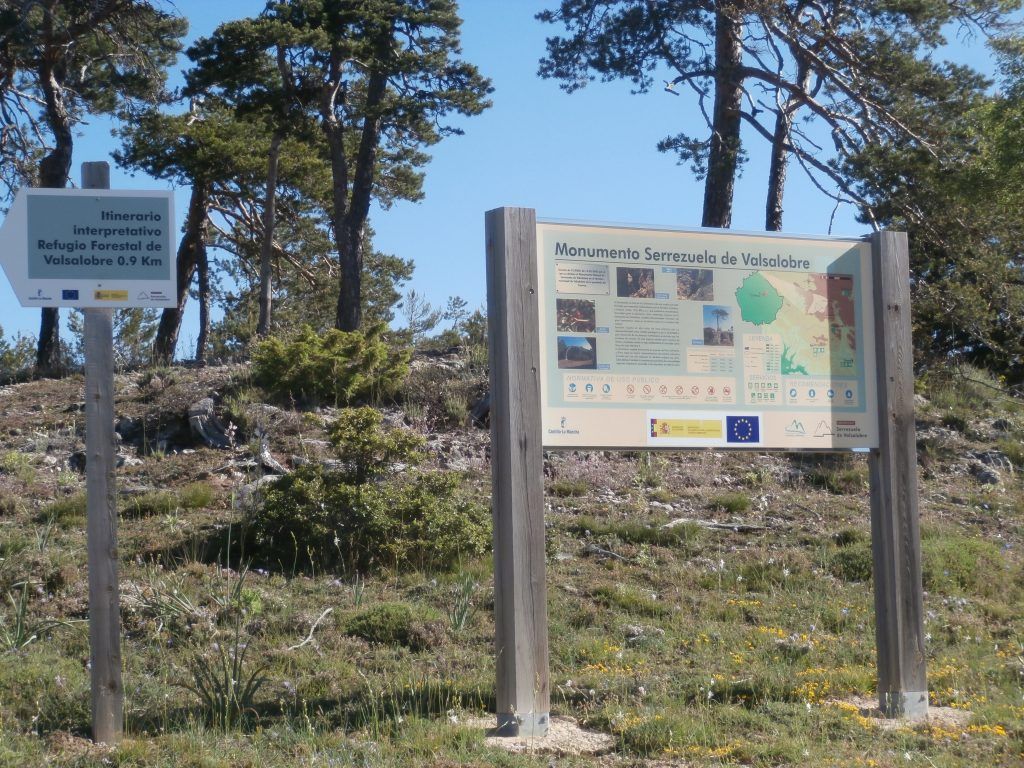
The Serrezuela of Valsalobre is another geological gem of the Serranía de Cuenca. This space, located at a higher altitude, stands out for its large rocky plains and its impressive natural viewpoints. The formations here are less sculptural than in the Ciudad Encantada, but no less impressive. La Serrezuela de Valsalobre offers a more open and vast landscape, where erosion has created undulating terrain with a mix of grasslands and exposed rocks, providing panoramic views and a sense of vastness.
Comparing formations
Comparing these three places, The main difference lies in the nature and distribution of the rock formations. The Enchanted City presents a compact and highly defined collection of structures that evoke recognizable figures and shapes. Las Majadas, on the other hand, offers a labyrinth of rock blocks that invite detailed and personal exploration. Meanwhile, the Serrezuela de Valsalobre provides a more open and panoramic landscape, where erosion has worked in a more dispersed manner.
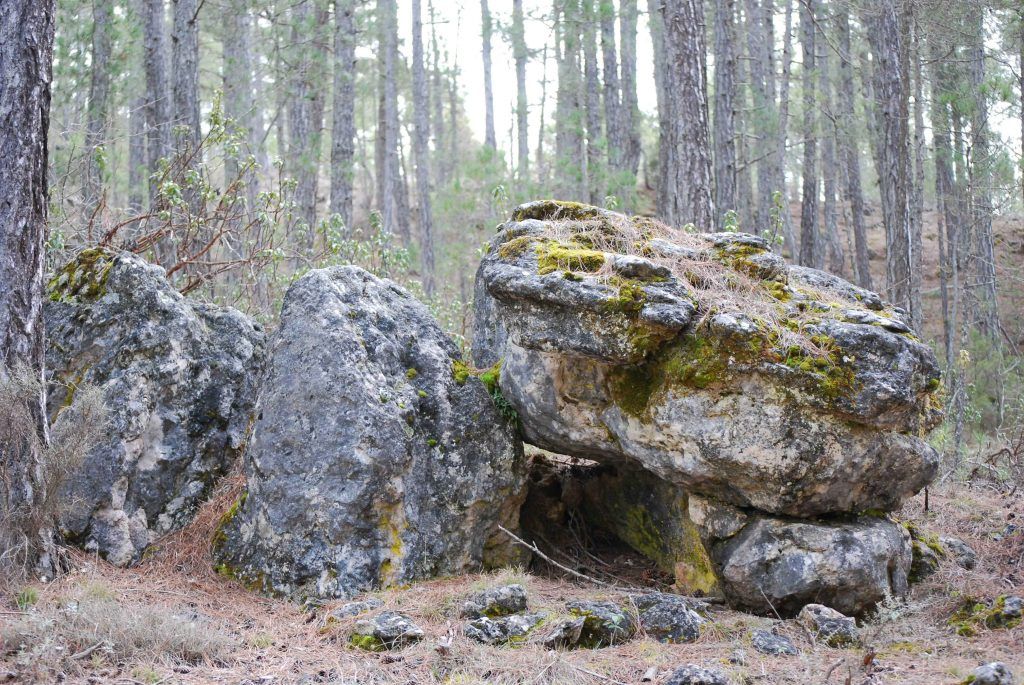
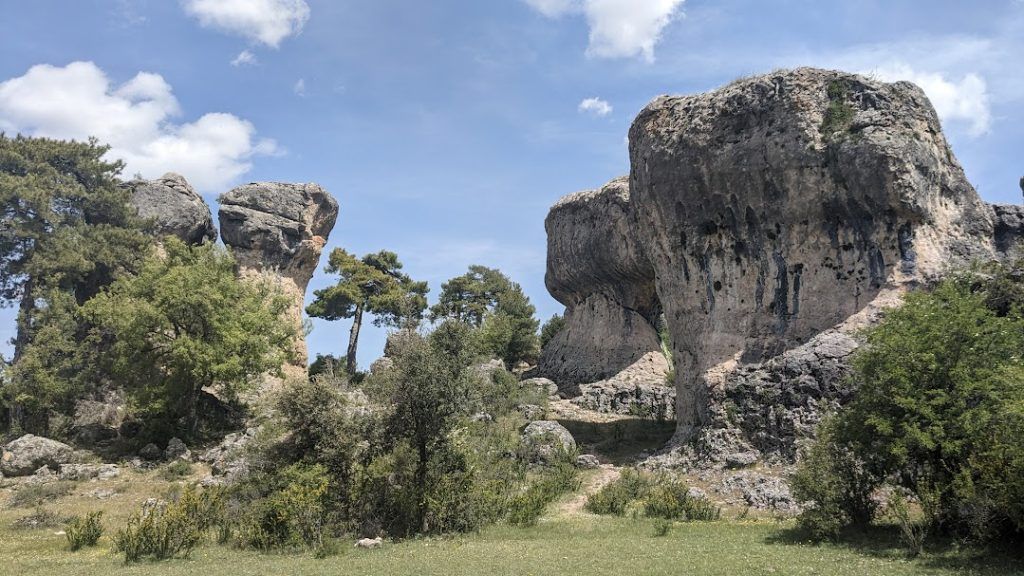
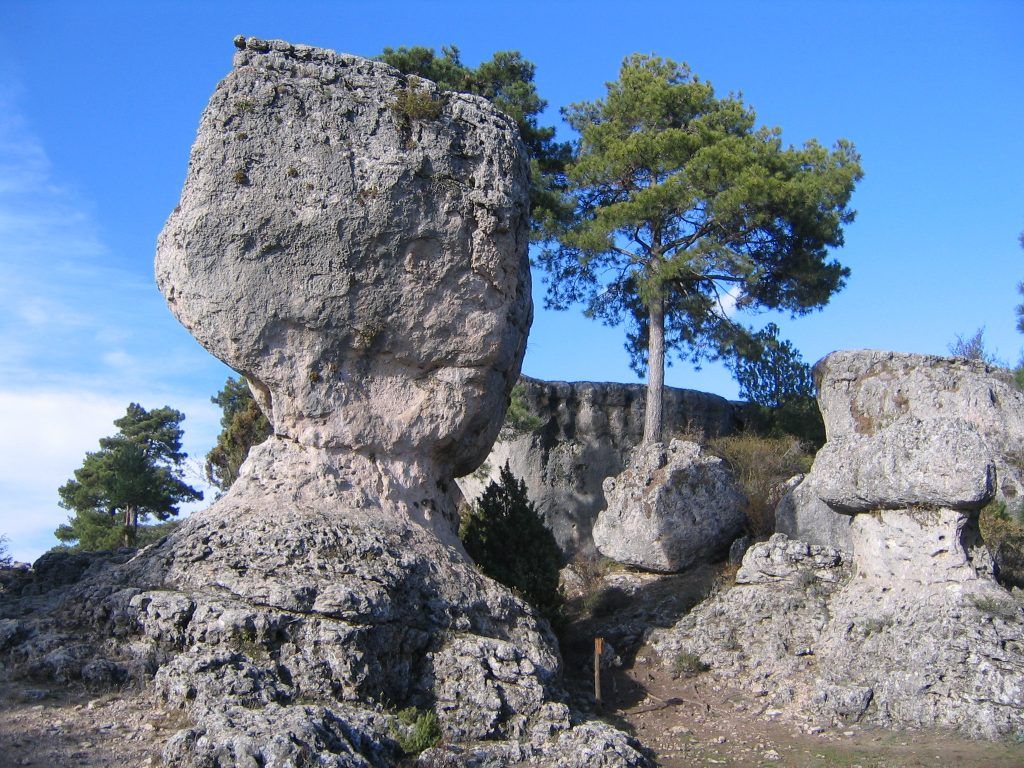
Despite their differences, these places They share a common history of geological formation through karstic processes. The variation in erosion and environmental elements has given rise to unique landscapes that show different facets of the same natural history. Ciudad Encantada, Las Majadas and Serrezuela de Valsalobre are testimonies of the patience and power of nature to sculpt the land.
A geological journey
Visiting the Serranía de Cuenca is a opportunity to dive into a geology book illustrated, where each landscape tells a different story. Whether it is the delicate beauty of the formations of Las Majadas, the vastness of the Serrezuela de Valsalobre or the natural sculptures of the Enchanted CityThese places remind us of the power and creativity of nature in its geological masterpiece. Exploring these wonders is an enriching and fascinating experience for any nature and geology lover.
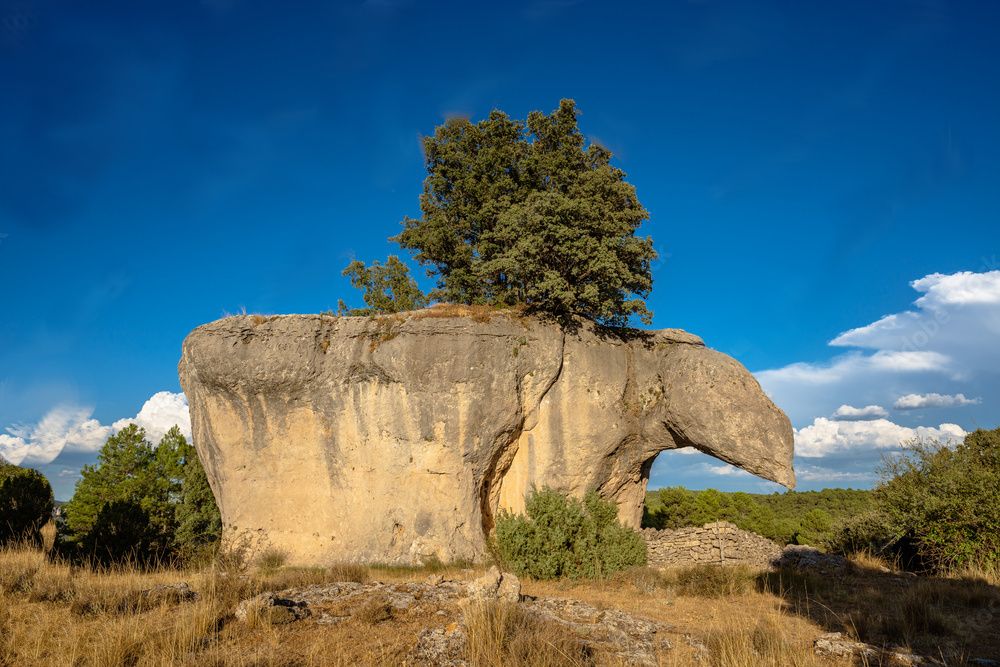
But these sculptural gems are not limited to these three must-see sites, There are many areas of the mountain range where various groups of stones shaped and sculpted by the elements make the imagination evoke names and legends. We invite you to discover, as it can be “The Stone of the Anvil” in Villalba de la Sierra, or the Route of the Cathedrals of Uña.