
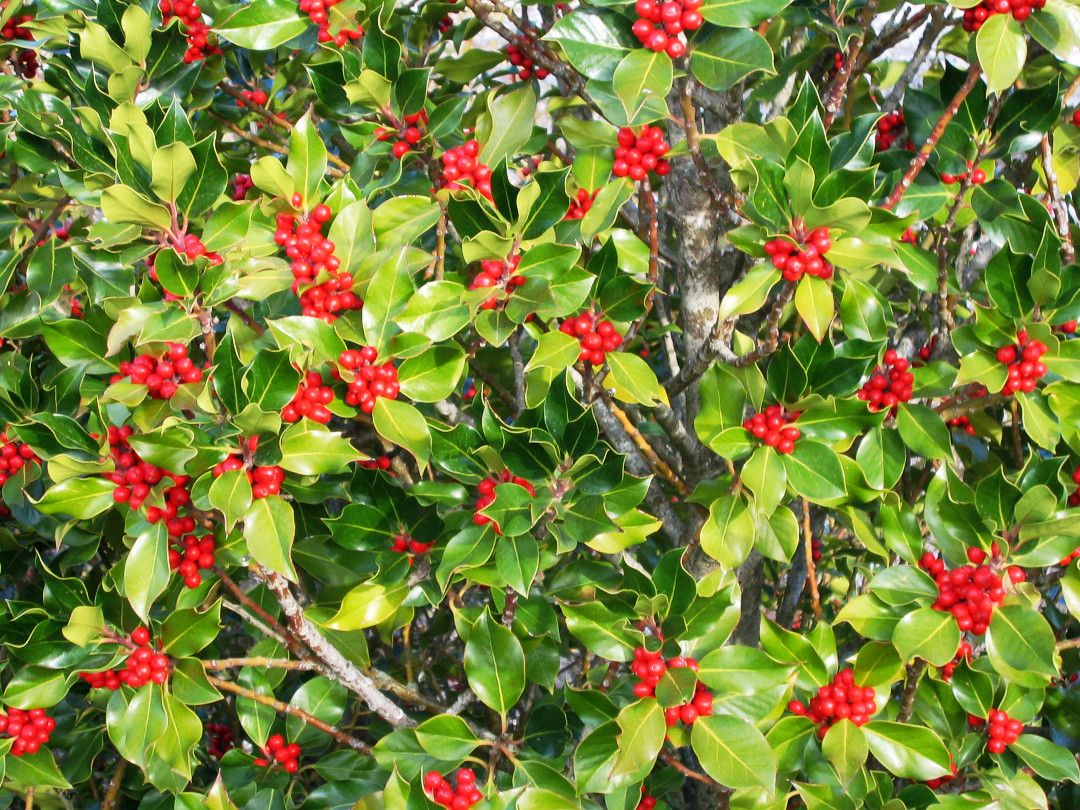
The territory occupied by the lands of Cuenca holds among its valleys and mountains a living treasure: the ancestral knowledge about plants that for centuries has been a fundamental part of the life of its inhabitants. This biocultural heritage, passed down from generation to generation, represents not only the history of a territory, but also an invaluable source of wisdom to face the challenges of the present.
The roots of our natural history
In the province of Cuenca, the relationship between people and plants has been particularly rich and significant. The diverse landscapes of Serrania, Alcarria and Manchuela have fostered the development of a deep local botanical knowledge, adapted to each microclimate and ecosystem. This knowledge is not only botanical, but also encompasses cultural, medicinal, gastronomic and artisanal aspects that have defined the identity of its inhabitants.
Cuenca's green legacy
Medicinal plants: the natural pharmacy
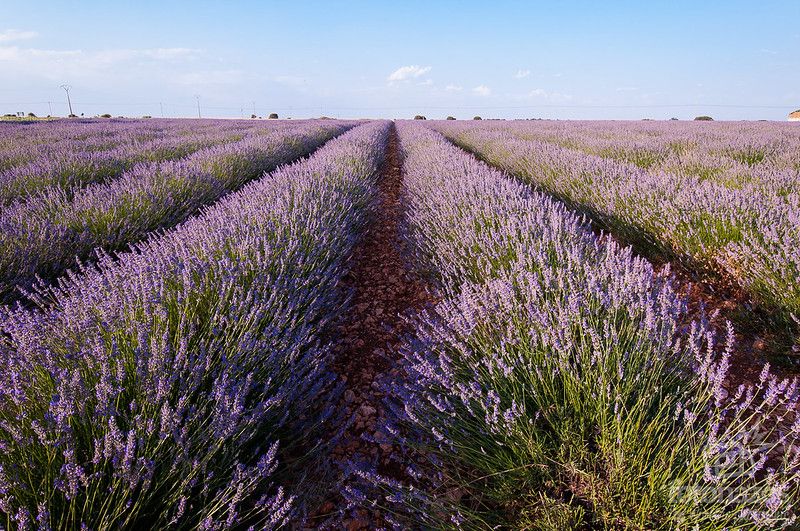
The Serranía de Cuenca is home to a remarkable diversity of medicinal plants which have been traditionally used by its inhabitants. Lavender (Lavandula latifolia), abundant in highland areas, has not only been appreciated for its aroma but also for its digestive and soothing properties. Rock tea (Jasonia glutinosa), which grows in the cracks of limestone rocks, has been a natural remedy for digestive problems for generations.
The traditional table: gastronomy and wild plants
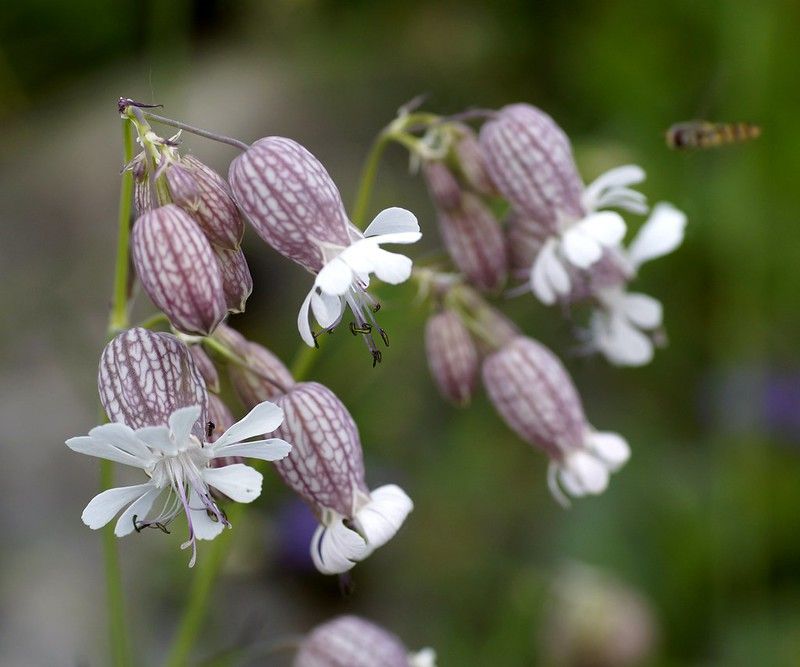
Cuenca gastronomy has a close relationship with edible wild plants. The following cannot be missed here: common lamb's quarter (Silene vulgaris), harvested in spring, are still a valued ingredient in local cuisine. Cardoons (Scolymus hispanicus) and sorrel (Rumex acetosa) are part of traditional recipes that are directly linked to the culinary history of the region.
Crafts and plants: an ancestral bond
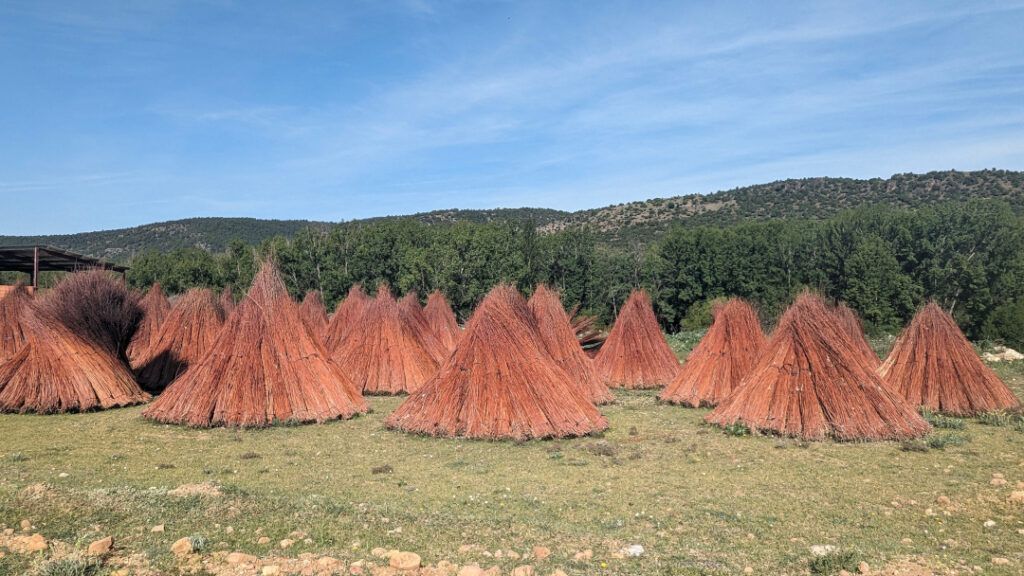
Traditional Cuenca crafts have historically depended on local plant materials. One of the best-known natural materials, esparto grass (Stipa tenacissima), although more common in southern areas, has been traditionally worked to create household and agricultural tools. The willow trees growing along rivers have provided the material for traditional basketry for centuries.
Preserving knowledge: a bridge to the future
Documentation of this traditional knowledge is crucial. Ethnobotanical research projects at the University of Castilla-La Mancha They have worked on collecting this knowledge, interviewing older people from rural communities to preserve their knowledge before it is lost.
Contemporary applications
Ethnobotanical knowledge is currently finding new applications:
- The recovery of traditional drought-resistant crops as a strategy for adaptation to climate change
- The use of native plants in the restoration of degraded ecosystems
- The development of cosmetic and medicinal products based on local plants
Biodiversity and sustainability
Ethnobotany in Cuenca teaches us important lessons about sustainability:
- The importance of maintaining local ecosystems to preserve useful species
- The value of traditional sustainable harvesting practices
- The relationship between biodiversity conservation and cultural preservation
Challenges and opportunities
Current threats
- Rural depopulation and the consequent loss of traditional knowledge
- Changes in land use that affect natural habitats
- The impact of climate change on wild plant populations
Conservation initiatives
Various initiatives are working on the conservation of this heritage:
- Projects for inventorying traditional useful species
- Educational programs that connect new generations with local botanical knowledge
- Seed banks that preserve local varieties
Looking to the future
The ethnobotany of Cuenca is not only a testimony of the past, but a vital tool for the future. His teachings on the sustainable use of natural resources, adaptation to adverse climatic conditions and the importance of biodiversity are more relevant than ever in the current context of global environmental crisis.
The ethnobotanical heritage of Cuenca It is a living treasure that needs to be preserved and transmitted. It is not just about keeping a tradition alive, but about ensuring that this knowledge remains useful for future generations. As inhabitants or visitors of this land, we have the responsibility to know, value and protect this legacy that unites nature and culture in a perfect symbiosis.
Ethnobotany reminds us that plants They are not only natural resources, but also bearers of stories, traditions and knowledge. that can light our way towards a more sustainable future. In the mountains, valleys and moors of Cuenca, each plant tells a story that deserves to be heard and preserved.