Roman Mine of Cueva del Hierro
A journey through the history of mining
Address
Roman Mine of Cueva del Hierro
GPS
40.585082566353, -2.0374546524111

Roman Mine of Cueva del Hierro: An Adventure in History
Explore the Roman Mine of Cueva del Hierro
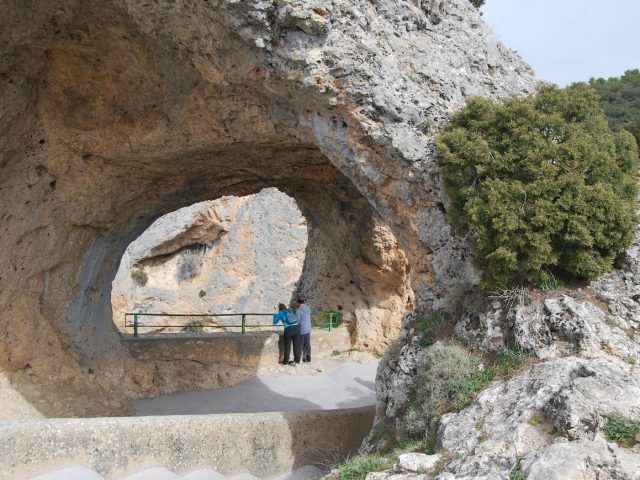
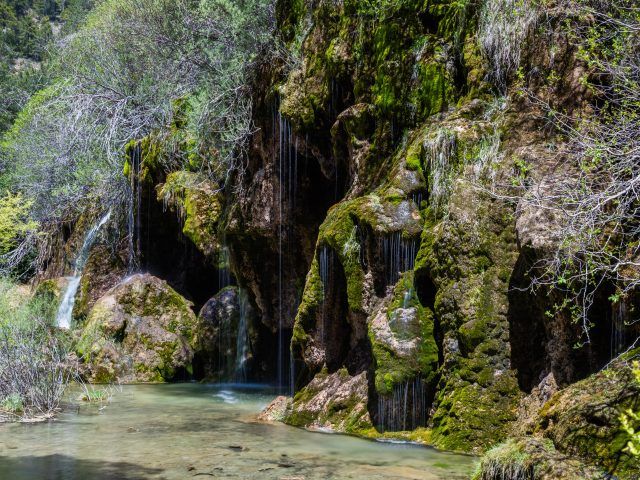
The Roman Mine of Cueva del Hierro, located in the municipality of Beteta, but in the municipality that gives it its name, Iron Cave, on the banks of the Guadiela River, is a site of indisputable beauty and historical relevance.
Discover History and Biodiversity
The Roman Mine of Cueva del Hierro is much more than a mine; is a window to the past that has remained open for more than 2,600 years. Beginning in pre-Roman times, iron ore mining played a key role in the history of this place. During the second Iron Age, the Celtiberian peoples of the region used the iron extracted from the mine to forge tools and weapons.
But it was not until the manufacture of the famous falcatas, on the part of the romans, when the mineral from this area acquired international relevance. This mineral wealth attracted the attention of authors of the time, who praised the skill of the local inhabitants in metallurgy and goldsmithing.
Roman mining in Cueva del Hierro is an exceptional testament to human ingenuity. The mine hides surprising similarities with the specular stone mining of Alcarria and Mancha de Cuenca, dating back to the High Empire (1st and 2nd centuries AD). The ore extracted here was used in other mines for manufacturing of weapons and tools.
Middle Ages
In the Middle Ages, King Alfonso VIII of Castile granted the city of Cuenca control of all mining operations, including iron. During the 16th and 17th centuries, a period of intense mining activity was marked in Cueva del Hierro, supported by transfer documents for the exploitation of the mineral.
The 18th century witnessed the rise of blacksmith shops in the Sierra de Cuenca. These forges were active in all the towns in the region and benefited from the mineral wealth of the area. Later, the Roman Mine of Cueva del Hierro closed its operations in the 1960s, but a few years later, It opened as a tourist destination.
Guided Tours and Mine Museum
Today, you can embark on an exciting guided tour of the Cueva del Hierro Roman Mine. Experienced guides will accompany you, guaranteeing your safety and answering all your questions.
Also, on your journey, you will discover the mine museum, where the history of this place is told from pre-Roman times to the present day. The mine offers a unique perspective on mining history and technology.
Check all the details on their website: https://cuevadelhierro.com/
Speleological Route
However, if you are a caving lover, you can discover the deepest secrets of these mines, always accompanied by one of the guides who work here. Without a doubt, an experience adaptable to all audiences.
The Roman Mine of Cueva del Hierro is a living testimony of the history of mining in the region and a fascinating journey through the centuries. Don't miss the opportunity to explore this incredible place and learn about the importance of mineral extraction in ancient times. Book your visit and step into the past at this historic destination!
Discover unforgettable scenery and natural gems, every corner reveals the authenticity of the Serranía de Cuenca. Here you will find a selection of places you cannot miss.