The Palancares and the Dead Land
One of the essentials. Our mountain “Gruyère cheese”

Exploring the Natural Monument of Palancares and Tierra Muerta
Welcome to a unique corner of nature in the heart of the province of Cuenca. He Palancares and Tierra Muerta Natural Monument, a place that has been a silent witness to millions of years of geological evolution and prehistoric life, is a destination that you cannot miss. With an area of 18,458 hectares, this monument is a wonder that is part of the Natura 2000 Network, which means that it is an area of special importance for the conservation of biodiversity.
A Journey Through Geological Time
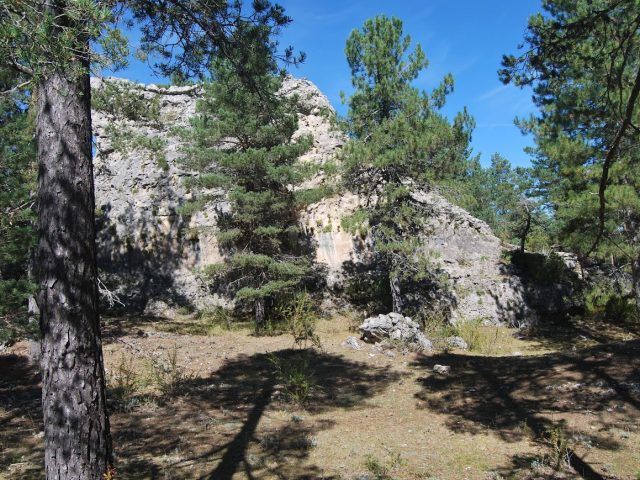
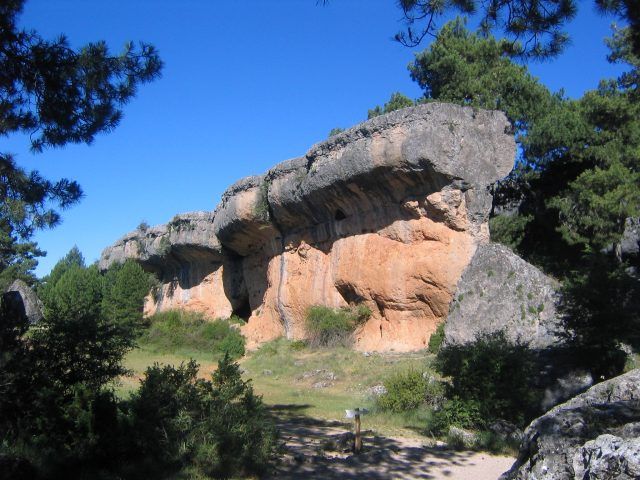
This impressive monument is located in the Southern Iberian System, covering part of the municipal areas of Cuenca, The Deer and Dovewoods. But what really makes it special is its geology. Palancares and Tierra Muerta are one of the most outstanding karst complexes in Spain, with a unique topography that includes more than twenty torcas, sinkholes, chasms, sinkholes, lava flows and other karst elements. These landscapes have been formed over millions of years from the dissolution of limestone rocks, which were deposited during the Upper Cretaceous and Jurassic.
The Unique Karst Formations of Palancares and Tierra Muerta
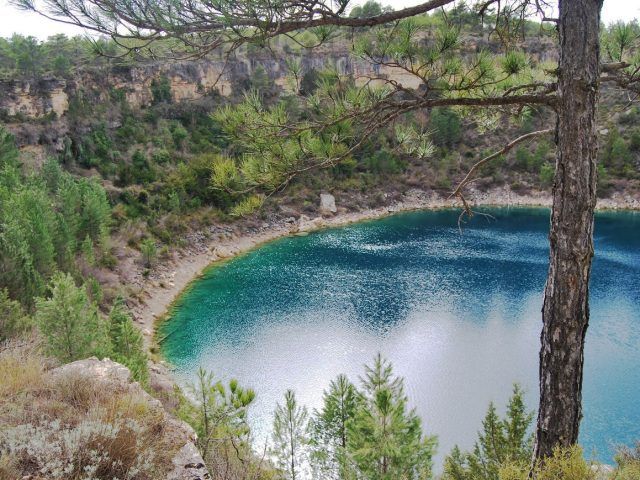
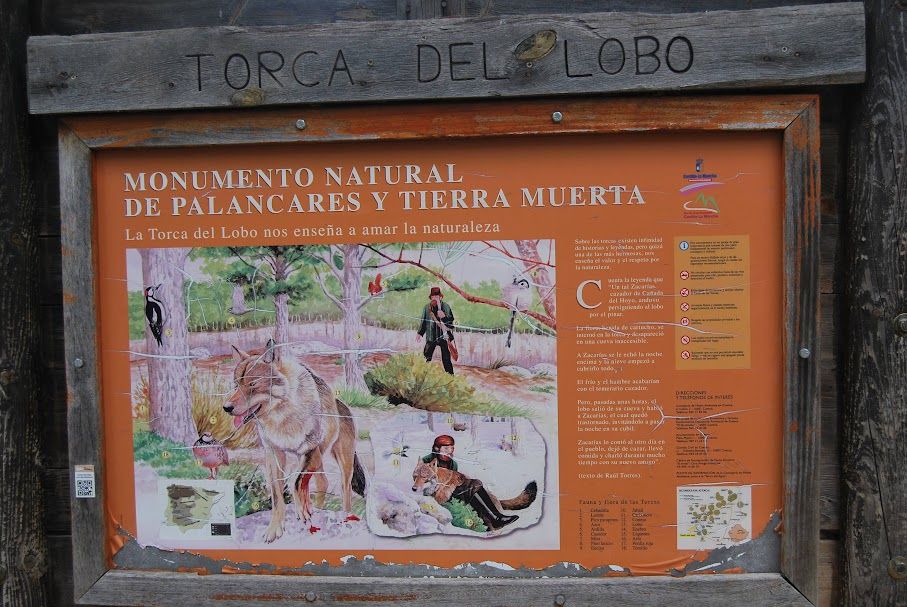
One of the most impressive phenomena of this place are the torks. These geological depressions have diameters often exceeding 100 meters and they are, at times, surprisingly deep. Each of them has its own popular name, such as Torca de la Novia, Torca del Lobo, Torca de los Hazelanos, Torca Aliagosa, Torca del Agua, Torca del Tio Agustín, among others.
The formation of these torks is related to the collapse of layers of limestone and dolomite rock, which settled on galleries or cavities created by the circulation of groundwater along networks of joints, that is, as if the roof of a cave underground would overcome, leaving the entire cavity open.
The Enigma of Tierra Muerta
Curiously, the name “Tierra Muerta” comes from the scarcity of springs and the apparent dryness of the place, despite receiving abundant rainfall. The entire surface of the Natural Monument acts as a natural strainer, where rainwater infiltrates mostly into the aquifers and then emerges outside the monument. This unique geological phenomenon creates a landscape that transports you to another world.
A Paleontological Treasure: “Las Hoyas”
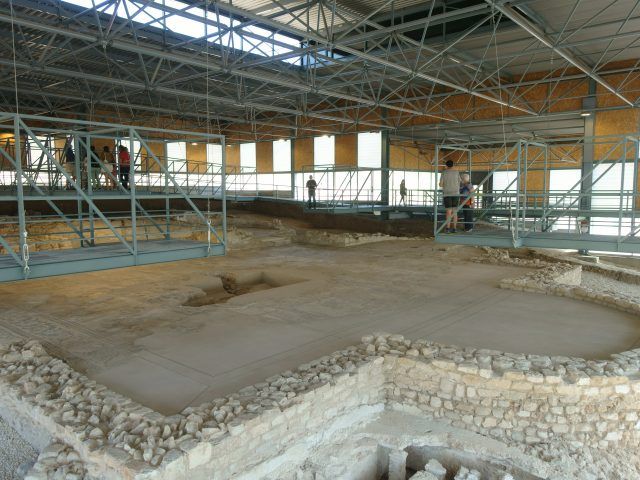
In addition to their spectacular geology, Palancares and Tierra Muerta are home to an invaluable paleontological treasure. The “Las Hoyas” site is made up of limestone rocks that were formed during the Early Cretaceous, when the region was an ancient lake.
Here, scientists have discovered a large number of fossils of organisms that provide valuable information about the ecosystems of that time and the evolution of flora and fauna. From insects to medium-sized dinosaurs, birds and much more, “Las Hoyas” offers a glimpse into the distant past. It is particularly important for its contribution to the study of the evolution of dinosaurs to birds.
Wildlife in Palancares and Tierra Muerta
This natural monument is also a refuge for a wide variety of wildlife. The escarpment and gorge areas are used for nesting by protected species of rock birds such as the golden eagle and the falcon. Furthermore, there is the Cabrera vole, several species of bats and various species of butterflies, including Graellsia isabelae, Plebicula nivescens, Erebia epistygne and the grasshopper Steropleurus ortegai, exclusive to the Serranía de Cuenca.
Botanical Treasure of the Serranía de Cuenca
The landscape is dominated by sessile juniper forests, pine forests of Pinus nigra ssp. salzmannii and mixed masses of both species, with notable specimens such as the "pinocandelabro", the "grandfather pine" and the "sabina retratá", which are estimated to be around 500 years old. In addition, there are valuable enclaves with protected plant communities of great value, such as thorn and hazel groves in the shady areas of some torcas and sickles, as well as rock communities in the rocky escarpments of other torcas and sickles. In this environment, there are endemic and rare species that are worthy of admiration.
Suggestions for your visit
If you are looking to discover some of the corners of this Natural Monument, we give you some options that may interest you:
- Interpretive trail of the Torcas de los Palancares
- Shearers' Prado House Trail
- Although it is not exactly the same Natural Monument, the Cañada del Hoyo Lagoons They are very close and well worth traveling along their interpretive path.
This is the Palancares and Tierra Muerta Natural Monument, a destination that combines geological wonder with unique biodiversity and prehistoric history in an unforgettable experience. Are you ready to explore this amazing corner of nature?
Discover unforgettable scenery and natural gems, every corner reveals the authenticity of the Serranía de Cuenca. Here you will find a selection of places you cannot miss.