
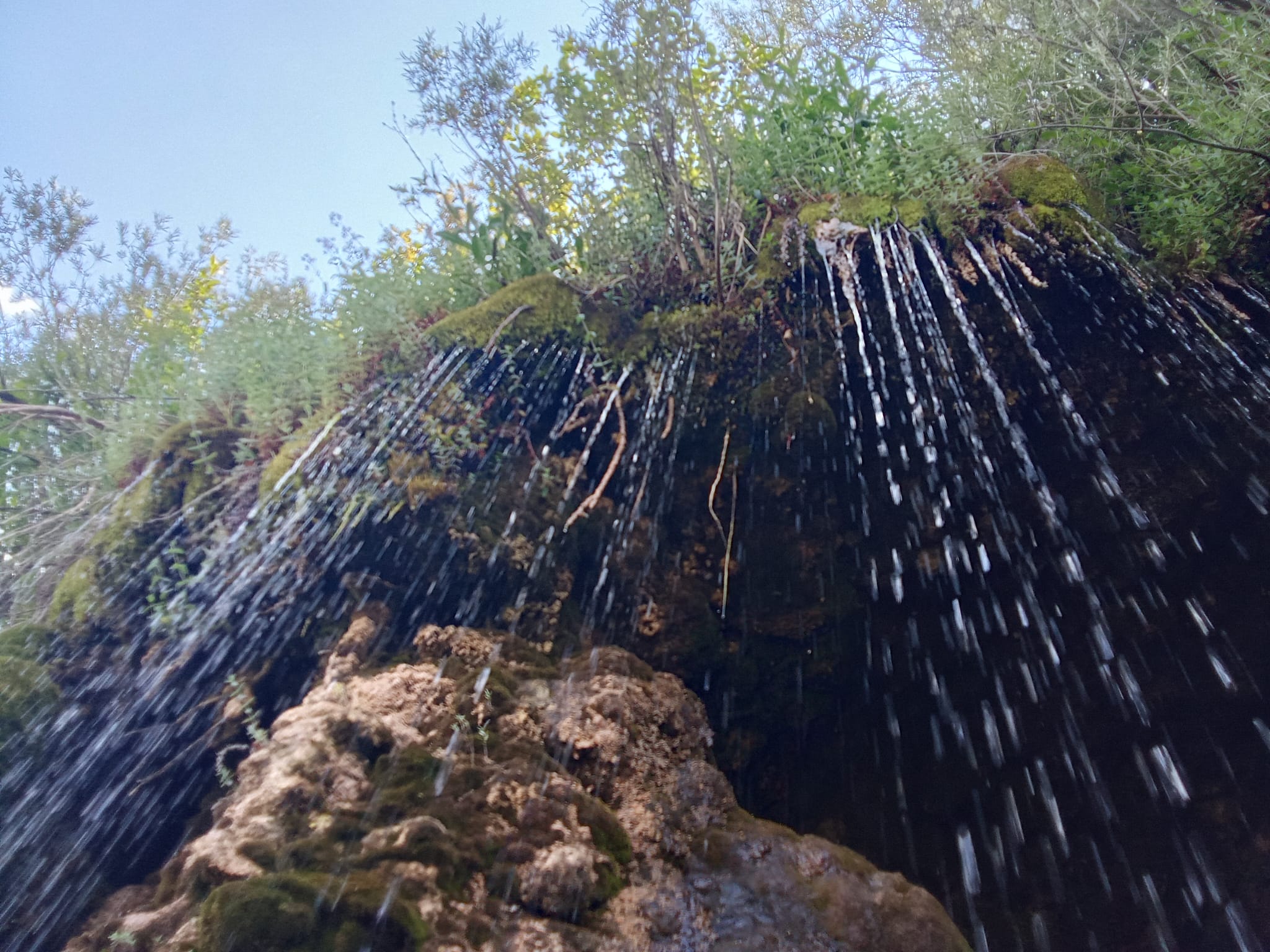
The abundance of rivers that run through the Cuenca mountain range is undoubtedly one of the key aspects that most attracts tourists and locals. In addition to having the birthplace of a significant number of the main rivers in Spain; Júcar, Cabriel and Tajo, and an endless number of tributaries of these; Escabas, Guadiela, Guadalaviar, Guadazaón, Villalbilla, Trabaque, etc. These rivers, as they pass through the rugged geography of the Serranía, delight us with impressive waterfalls and cascades that delight the traveller.
One of the delights of the territory is having countless hidden places where you can face the summer heat, with its beautiful pools and corners of the river. The mountain people have a habit of keeping the best spots a secret, but they will soon share some of these with visitors if we know how to start a friendly conversation. However, and although there are hundreds of kilometers of river full of surprises to be discovered, Some enclaves are emblematic and must-see. We present some of the emblematic waterfalls in the area, which are a must-see, but as we said before, they are by no means the only ones.
Tobaceous waterfalls
They are certainly this type of formations in constant evolution and I change the ones that most attract the traveler's attention. The limestone dissolved in the water tends to precipitate on plant elements such as roots, branches and tree trunks, creating a real living picture of forms calcareous, which evolve over time. There is one of these tufaceous waterfalls that certainly takes the cake for being the best known and photographed in the area, we are undoubtedly referring to the Birth of the Cuervo River, But it is by no means the only tufaceous waterfall in the mountain range, which contains other examples that, although less known, are not worth a visit.
Tobacea Waterfall at the Source of the Cuervo River
Of great beauty all year round, it presents a unique image in the winter season where finding it partially frozen showing icicles of all sizes transmits enormous peace.
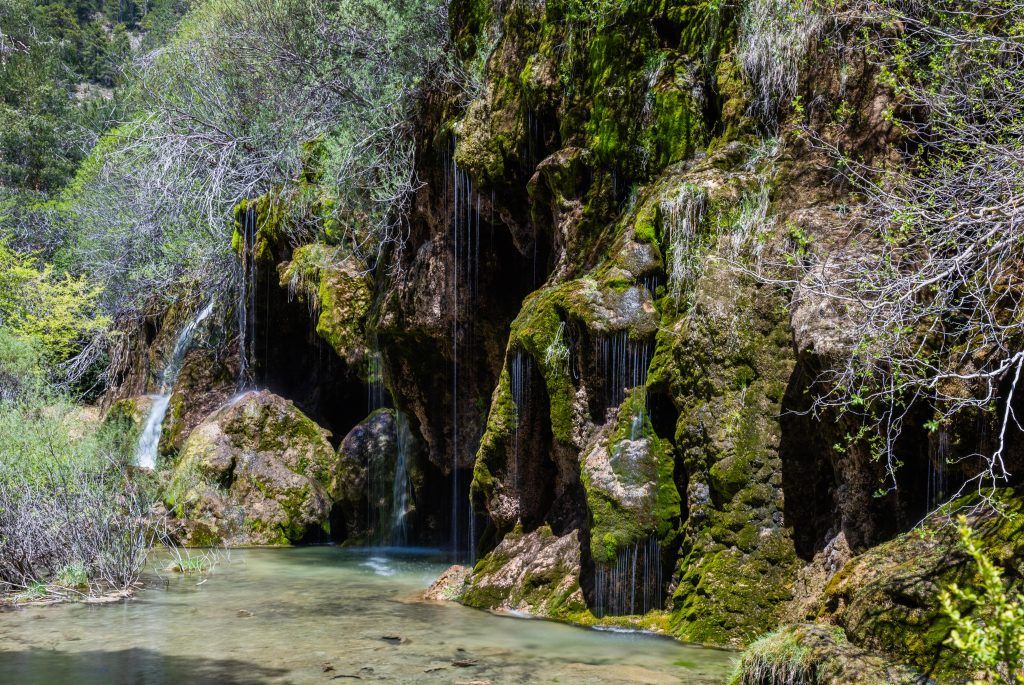
It is undoubtedly the jewel in the crown as far as tuffaceous waterfalls are concerned, hence the creation of the Natural Monument of the Birth of the Cuervo River in 2004, where around 120,000 tourists stop every year to visit it. No less impressive is the emergence of the Cuervo River, a few meters above the waterfall, breaking through a small hole in the rock with all its force and flow.
Vega de Codorno Tobaceous Waterfall
Better known as “The Ankle”, is located at the end of the last of the neighborhoods of Vega del Codorno, called Los Eustaquios, and is hidden among the lush vegetation to pour its waters into the Cuervo River just a hundred meters from its location. Although reaching its feet becomes an adventure among the lush vegetation, we can really appreciate up close how the lime precipitates on each blade of grass or small piece of moss.
Valdemoro Sierra Tobaceous Waterfall
Known to locals as “The Raft”This tufaceous waterfall is without a doubt a magical place, far from the main tourist routes. It is a tufaceous wall more than 50 metres wide where the water runs in the form of an infinite number of small waterfalls that feed small ponds and pools also created by the precipitation of the limestone rock, generating an astonishing landscape.
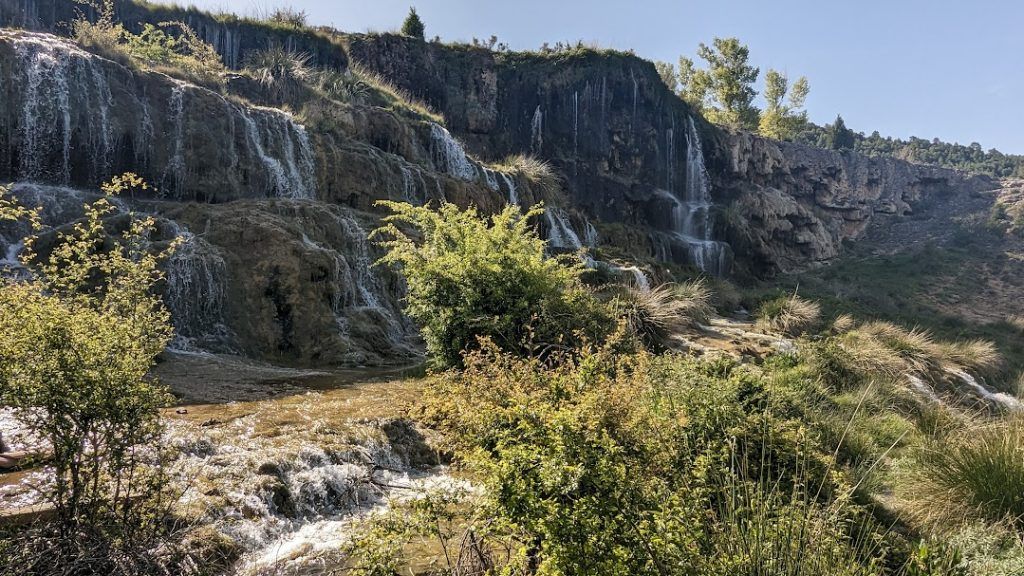
Pours its waters into the Guadazaon River where we can find the remains of an old flour mill that brings back memories of a time gone by when the abundant waterfalls in the area were part of the available energy resources. Next to the pond we find a great covered picnic area where you can grill and enjoy a full day.
Uña Tobaceous Waterfall
Dried up for about 100 years, this impressive waterfall It was where the Uña lagoon drained before the canal was intervened. which diverts part of its waters directly to the Villalba waterfall. A recent project aims to restore this tuffaceous waterfall to its former majesty, bringing piped water from the Rincón stream, due to its high content of dissolved lime, so that this waterfall can recover its natural evolutionary process. The Uña Travertine Viewpoint, on the CM-2105 road, just before entering the town if we come from Cuenca.
Trabaque River Waterfall
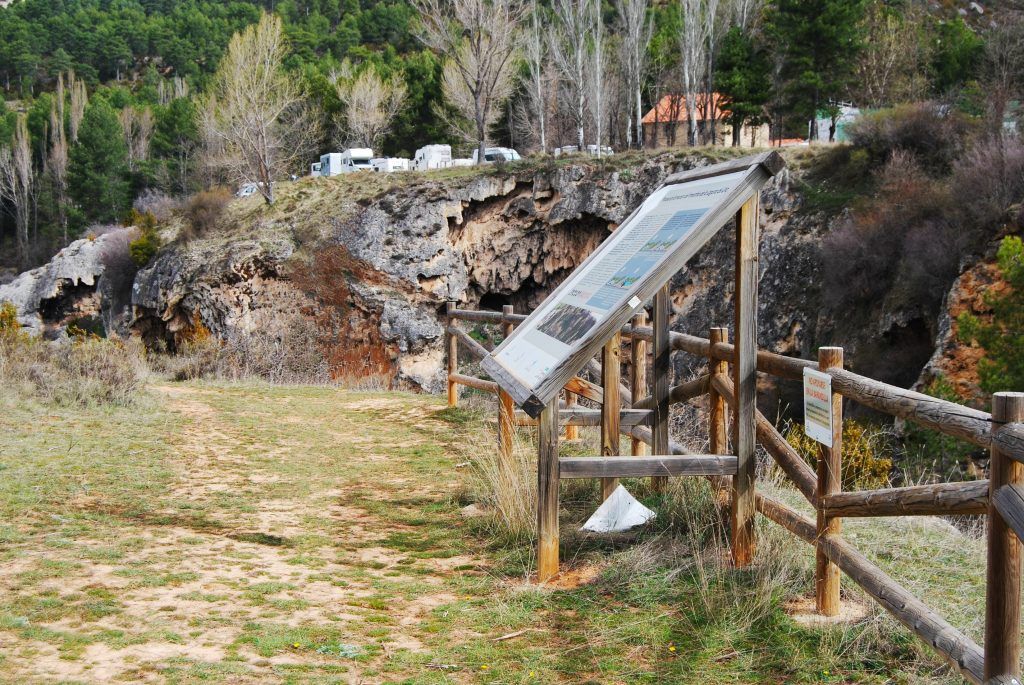
With a drop of almost 30 metres, it is the highest in the Serranía area. Although the dependence on the rainfall regime means that we cannot see this natural wonder all year round, the walk through the PR-CU104, called the Dehesa of the Olmos. Starting from the picnic area Aunt Bitch's Fountain and, after travelling for several kilometres, we will be amazed by its spectacular fall in its effort to reach the Strait of Arcos where it will once again become trapped. The best time to admire its jump is undoubtedly spring, since in summer it is most likely to find a very fine thread of water, or simply dry water.
Fountain of the Tilos Waterfall and Castro Waterfall (Beteta)
Although they are not natural waterfalls of the river, the image becomes spectacular because they are waterfalls from the channel that carries the water to the Puente Vadillos power station. Traveling along the The trail to the Harlot's Cave and the Armentero Cave, we will pass right under these enormous waterfalls.
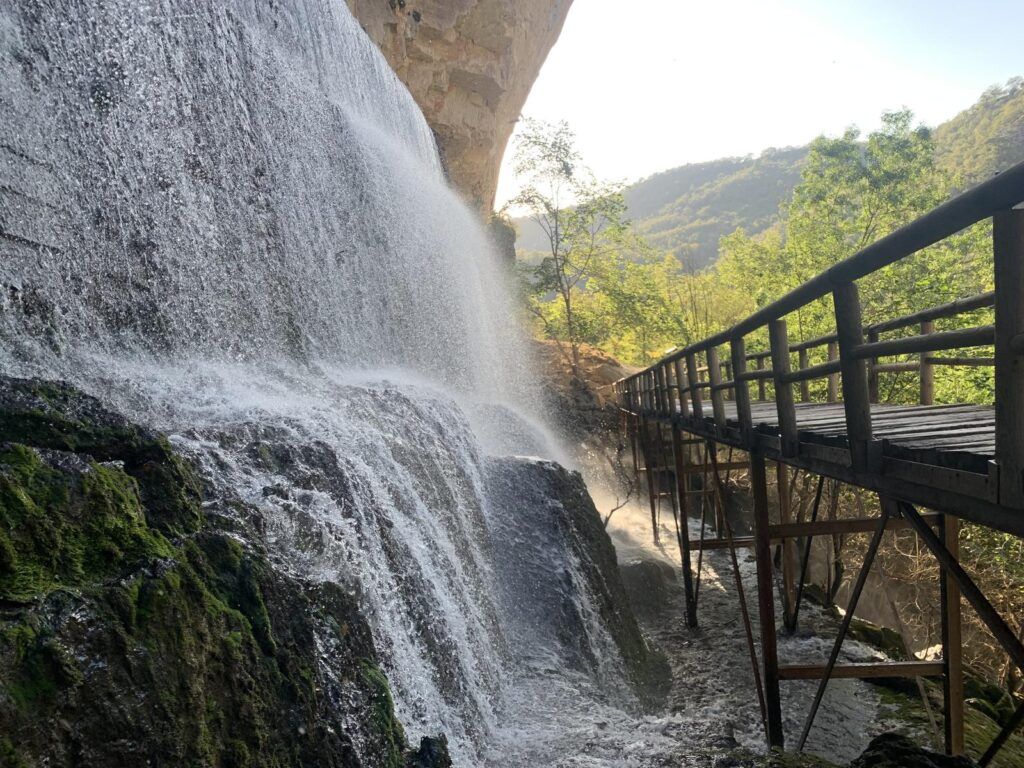
During late winter and spring, especially if it has been rainy, curtains of about 50 metres wide fall from the canal towards the Guadiela River, leaving the Cueva de la Ramera between the two. It is undoubtedly an unforgettable sensation to walk along the walkway just below these artificial but impressive waterfalls.
Molino de la Chorrera Waterfall
3 kilometers from Tragacete, and on the obligatory path towards the source of the Júcar, we find this waterfall of about 10 meters high that we can approach by a botanical path called The Chorrera Mill Waterfall Trail, PNSC-06, which will introduce us to the surrounding flora. There is also a wonderful view from a viewing point located a few meters from the parking lot located above the waterfall.
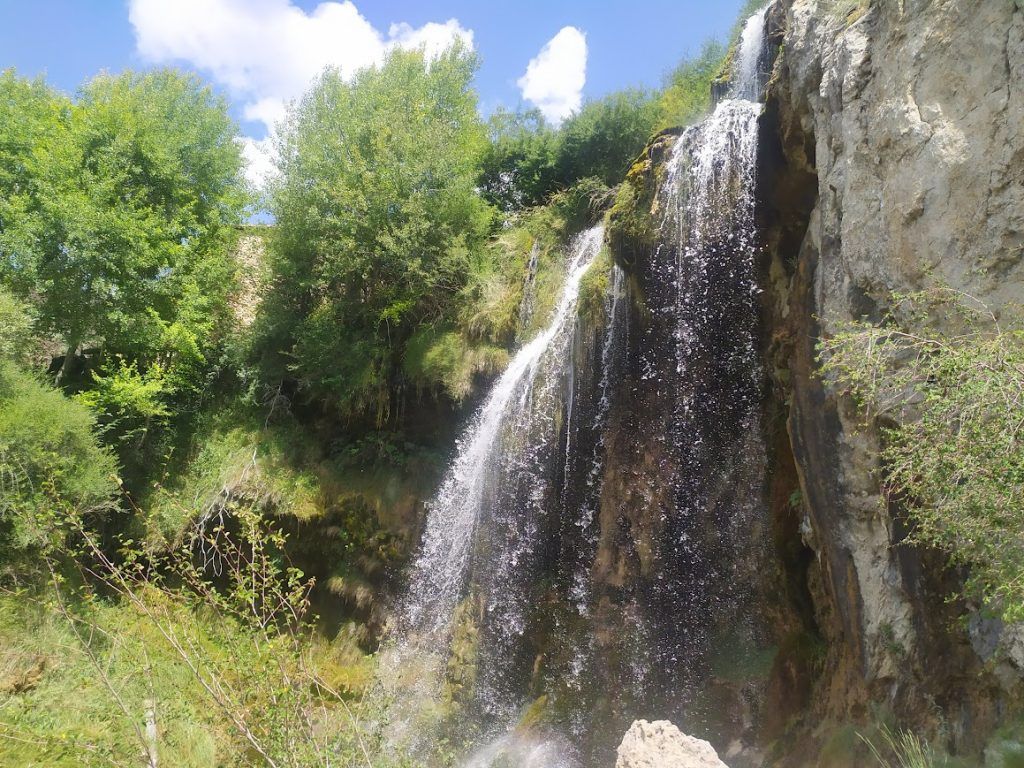
In the few kilometers that have been traveled the Júcar since its birth in the Ojuelos de Valdeminguete, and after crossing a couple of straits, the Hell Strait and the San Blas Strait, the Júcar rectifies its course at the whim of human will and its need to take advantage of hydraulic energy. Since time immemorial the river was diverted from its usual course to facilitate its energy use by an old flour mill that is now a private residence. However, that human will left us as a gift this impressive waterfall that is the pride of the Tragaceteros.
These jumps are some of the most emblematic of the mountain range, But there are many more, which usually fall into wonderful pools surrounded by riverside forests. Don't hesitate to ask the locals and venture to find an unforgettable spot in one of the many rivers that run through the Cuenca mountain range. As a guide, we suggest some names so you can start your search; Gollizno waterfall, Waterfall of the Hoz del Moro stream, the Zafrilla River Waterfall, the Júcar Waterfall in the Cortados de Villalba, the Cambrón Waterfall or the Guadazaón Waterfall.