
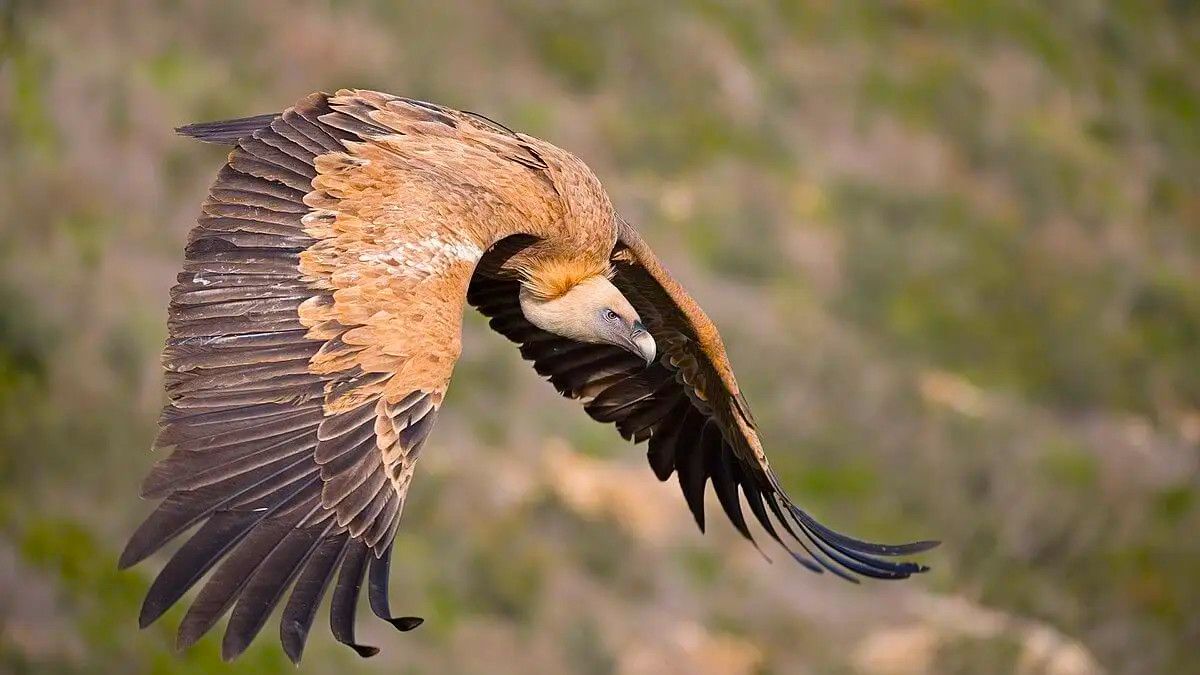
Thanks to the variety of its landscapes and ecosystems, The Serranía de Cuenca is considered a privileged place for bird watchingIn it we can find birds associated with their different and varied landscapes, where there are abundant coniferous forests, canyons and ravines with their riparian forests and rocky areas, permanent wetlands all year round, and of course extensive areas of juniper and scrubland.
Birdwatching in La Serranía
Wetlands, Lagoons and Sinks
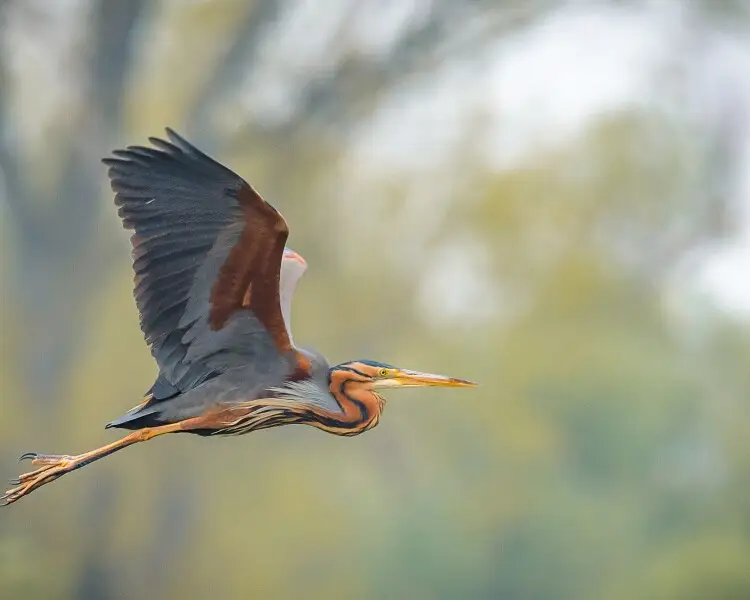
Scattered throughout all the ends of the Serranía we can find different lagoon ecosystems, such as the Uña Lagoon in the heart of the Serranía Conquense Natural Park, with a very interesting Interpretation Centre where to find information about the birdlife that surrounds this and other lagoons. The Laguna del Cerrato in Alcantud, Tobar Lagoon in Beteta, The Laguna Seca Torcas, the Marquesado Lagoon in the town of the same name. In all of them we can find birds associated with these places, such as; common coot, common gallinule, black-bellied coot, dotterel, purple heron, European lapwing...
The lagoons not only offer us the possibility of observing birds associated with wetland areas, but they are also places of special scenic beauty that are worth visiting. At the moment, we can only find a small Open wooden hideout or hide on the north shore of the Uña lagoon, where we can make our observations without being seen, and also take shelter from the inclement weather to withstand the cool at dusk and dawn, when activity is most frenetic.
Rock walls full of life
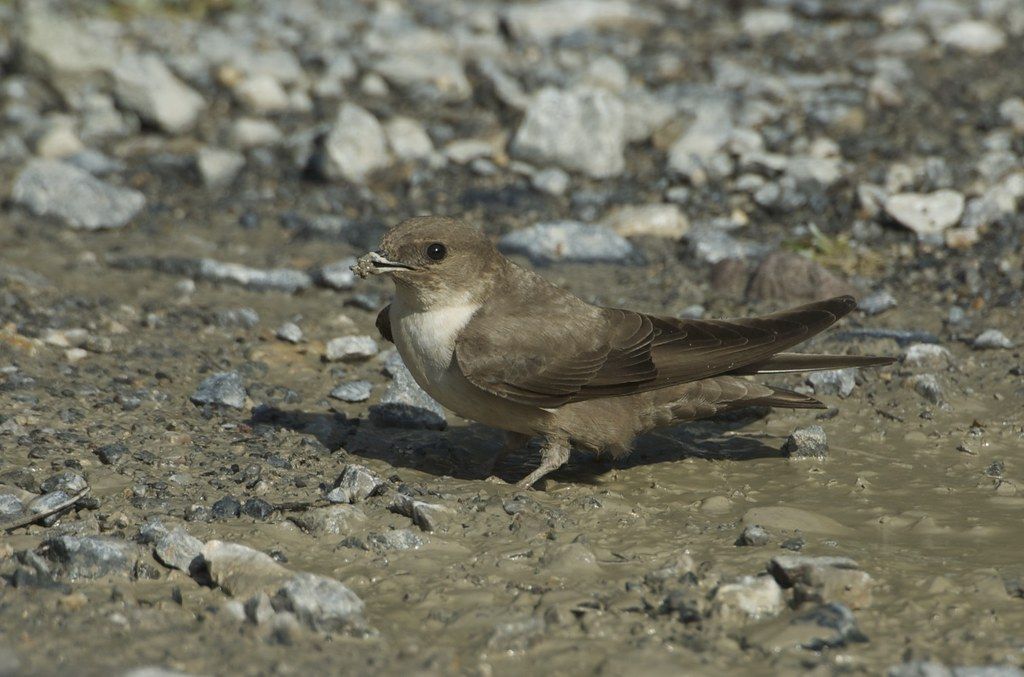
The numerous rock walls offer the possibility of observing an endless number of birds accustomed to the rock, such as the rock martin, with an abundant community in the cave in Vega del Codorno. Likewise, the Black Redstart, Red-billed Chough and Red-rumped Swallow They can sometimes be seen from the viewpoint of Villalba de la Sierra, known as “The devil’s window”.
The infinity of canyons, straits and rocks Distributed throughout the mountain range, they will allow us to enjoy their smaller inhabitants with relative ease, although without a doubt the main protagonists of the mountain range, as far as birds are concerned, are the large birds of prey and scavengers. The griffon vultures They can be observed from many viewpoints, such as El Viewpoint of Puntal de la Cruz, in Solán de Cabras, or the Viewpoint of Tío Cogote, in Majadas. Its more than 170 couples registered They fly tirelessly throughout the park once the sun is warm enough to find a thermal.
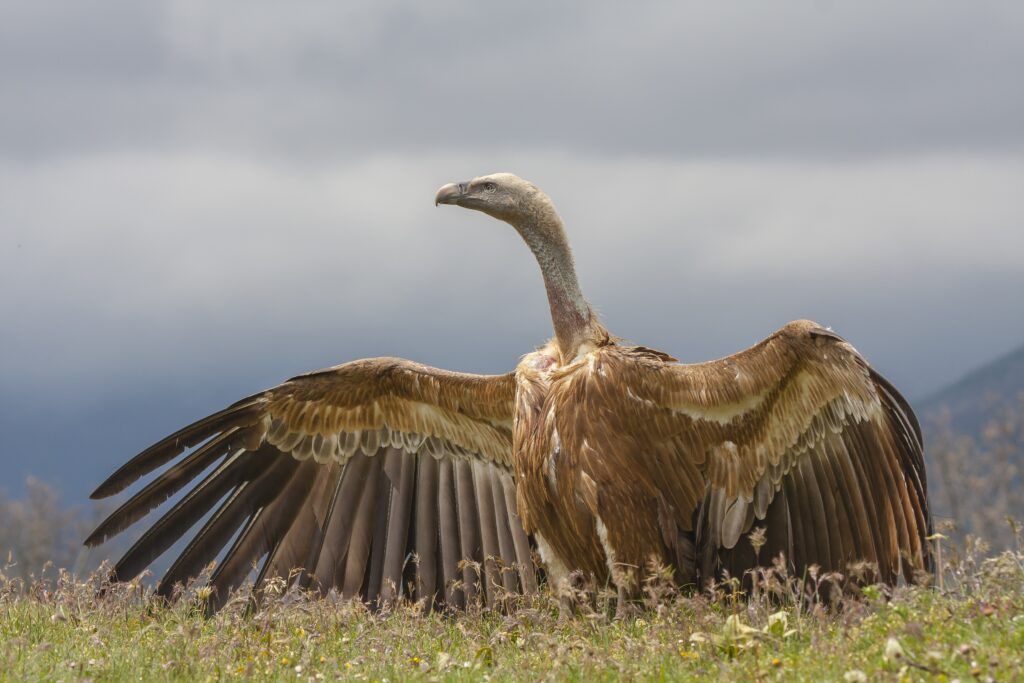
There are several trails that will take us closer to the vulture colonies from where we can observe their majesty, sometimes even from rocks located above them. Some of these trails are: The Staircase and the Raya (PR-CU37), or the Masegar trail, in the area of Huélamo, the PR-CU07. The ravines of Hoz de Beteta and Poyatos, with their trails that accompany it, such as the Armentero Cave Trail, which ends at a spectacular viewpoint where you will almost certainly be able to observe these giants of the air.
With a bit of luck we will be able to observe groups of vultures stalking dead prey in the area of Tragacete and Vega de Codorno, where numerous flocks of transhumant sheep that roam the area throughout the summer will leave some accessible victims for the benefit of scavengers such as the vulture or the Egyptian vulture.
More elusive are other large birds, such as the Golden Eagle or the Bonelli's Eagle. The luckiest have occasionally been able to see the Black Vulture, present in the area thanks to the efforts of the Terra Naturalis Association for its reintroduction.
Forests that are not at all silent
If we move to others More wooded and closed landscapes, the masses of black and Scots pines are the most representative of the Serranía, but we will also find oak groves, oak groves and juniper groves. Most of these masses are naturally regenerated and we find undergrowth with an abundance of shrub species that give rise to a significant number of associated birds. In them, mainly in those areas with larger specimens, the Iberian Woodpecker, Blue Nuthatches, Booted Eagles, Redstarts, Common Crossbills, Greenfinches,…
It is interesting to take a nice walk through the extensive pine forests between Las Majadas and the Vega del Codorno, around the Hosquillo Wildlife Park, where it is worth stopping. During the visit offered by the centre we will be able to observe up close some of the emblematic birds of prey of the area that are in the process of recovery for their return to the natural environment.
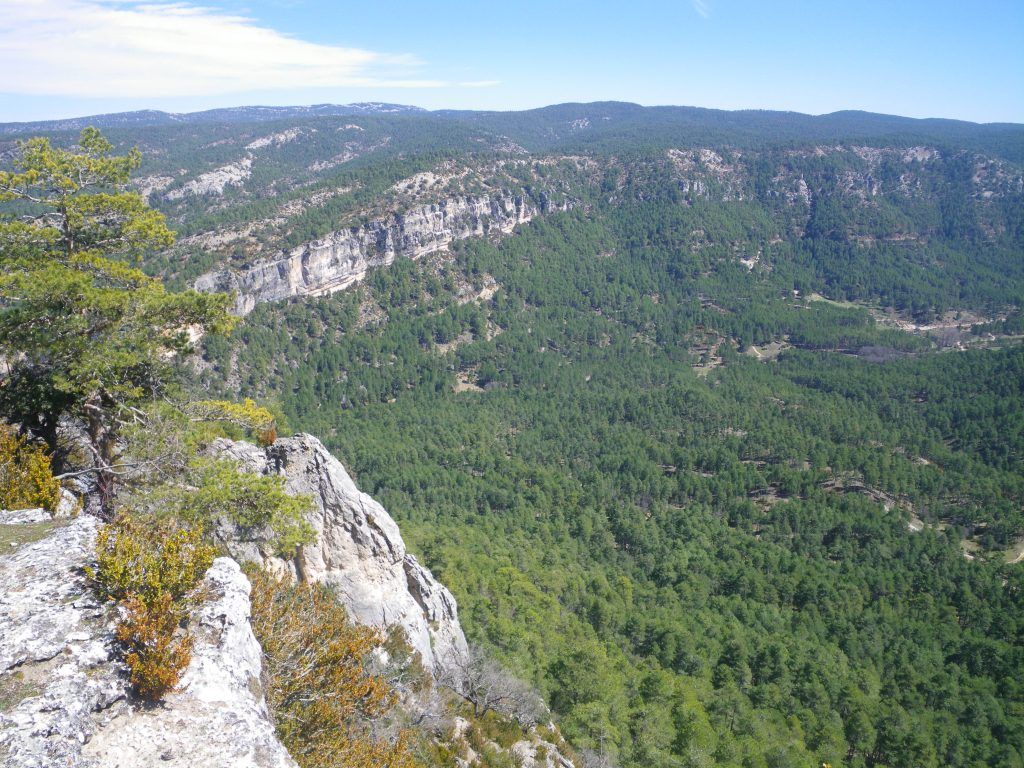
In the surroundings of the Birth of the Júcar River and the Birth of the Cuervo RiverWe find pine forests in a relative moment of forest maturity very conducive to the appearance of a large number of birds associated with large trees and standing tree corpses, where the noisy woodpeckers will make their nests.
In the heights surrounding the town of Valdecabras, very close to Cuenca capital, and on the way to the Enchanted city, we found the PR-49 trail of Dehesilla Valley and Alto de la Nava, which crosses one of the extensive masses of large pine trees that hide these beautiful tenants.
Sabinares and scrublands, life makes its way
Another of the particular landscapes that the Serranía offers us are the Sabinar and Matorral areas, very open spaces and often far from any population center. Such is the case of the Sabinares of Dead land, between Buenhache de la Sierra, Beamud and La Cierva. A huge expanse of juniper forests where we will find Red-backed Shrikes, Fieldfares, Garden Warblers, White-capped Blackbirds,…
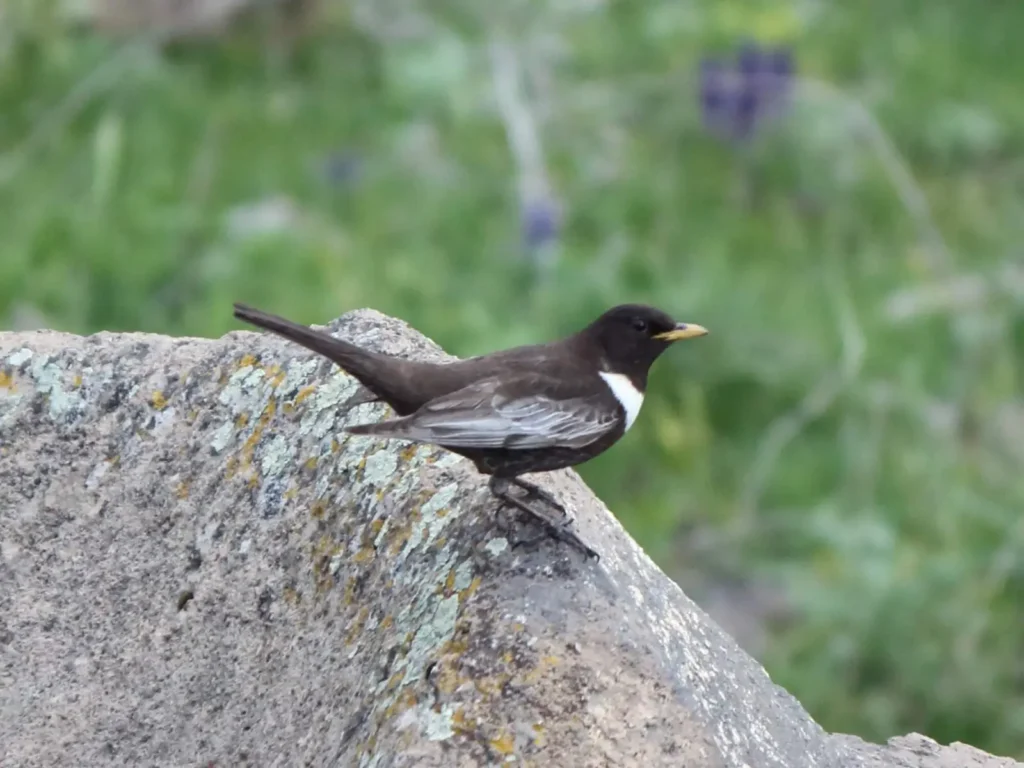
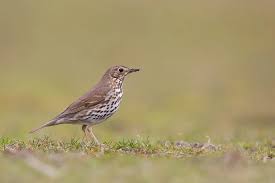
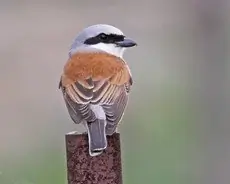
At the other end of the Serranía we will also find a vast area of juniper-scrubland among the pastures of Alcantud, the Carrascosa meadows and Valsalobre. Another enclave that also combines with spectacular views of the Tajo Valley and the immensity of the entire Southern Iberian System It is the Natural Monument of the Muela de Pinilla and the Puntal, very close to the shared border between the three provinces, Cuenca, Guadalajara and Teruel.
Like the sheep that fill the mountains in summer, There are many transhumant apiaries that arrive in the mountains starting in June., in search of later high mountain blooms, and it will not be difficult to spot the beautiful bee-eater who come from Africa in the summer in search of that sweet delicacy that are bees.
The murmur of the water full of life
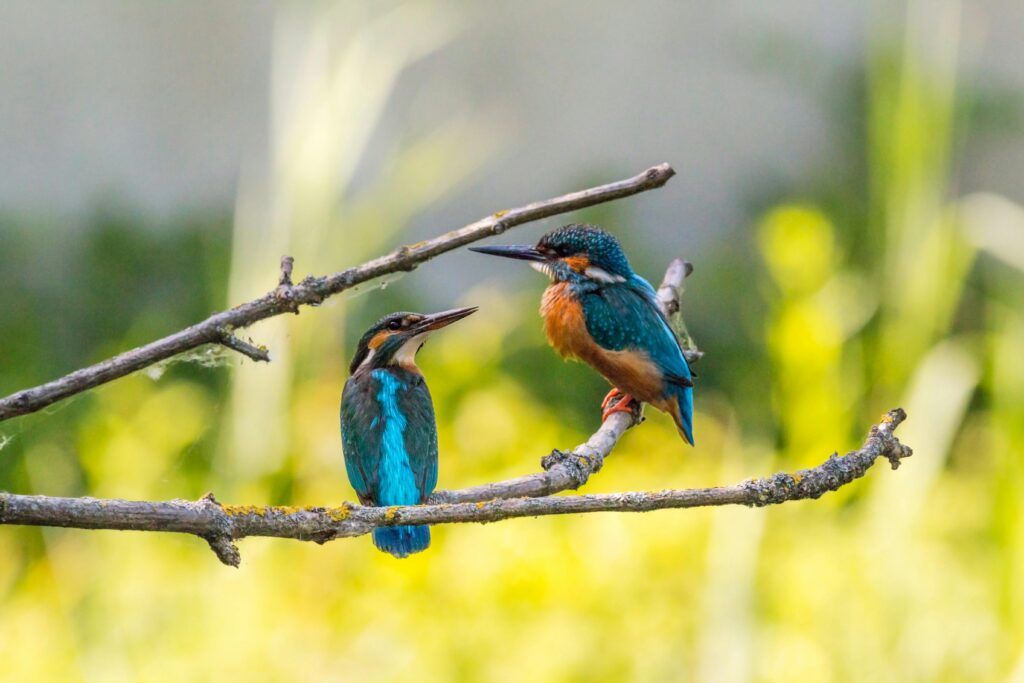
Last but not least, what can we say about the numerous riverside areas that fill the Serranía de Black-bellied Wagtail, European Orioles, Grey Flycatchers, European dippers, Kingfishers...It would be very difficult to choose which is the best river for bird watching, as they are tremendously abundant and beautiful, but we certainly recommend the Beteta and Matasnos Gorge Natural Monument, where taking advantage of the beautiful Trail from the Fountain of the Linden Trees to the Armentero Cave, without a doubt, we will see some of these riverside species.
If we find ourselves near the city of Cuenca, the routes around the beautiful town of Palomera and Paper Mills, throughout the Huécar River Valley where most of the vegetables of the city of Cuenca were once produced, we can enjoy a simple and beautiful route, the PR-CU36, called Hoz del Huécar Trail, where we will surely be able to spot these riverside birds thanks to the number of semi-abandoned bushes and fruit trees that feed these small bird communities.
In any case, each time of the year will give us the opportunity to see some birds or others, and for that reason, and if we want to be able to To access the best spots for sighting, it is best to hire one of the companies that offer the service in the area. and they will make sighting easier for us, since they are always attentive to closely follow their movements and habits.